
Random images of HMS Diadem I collected for no reason whatsoever….
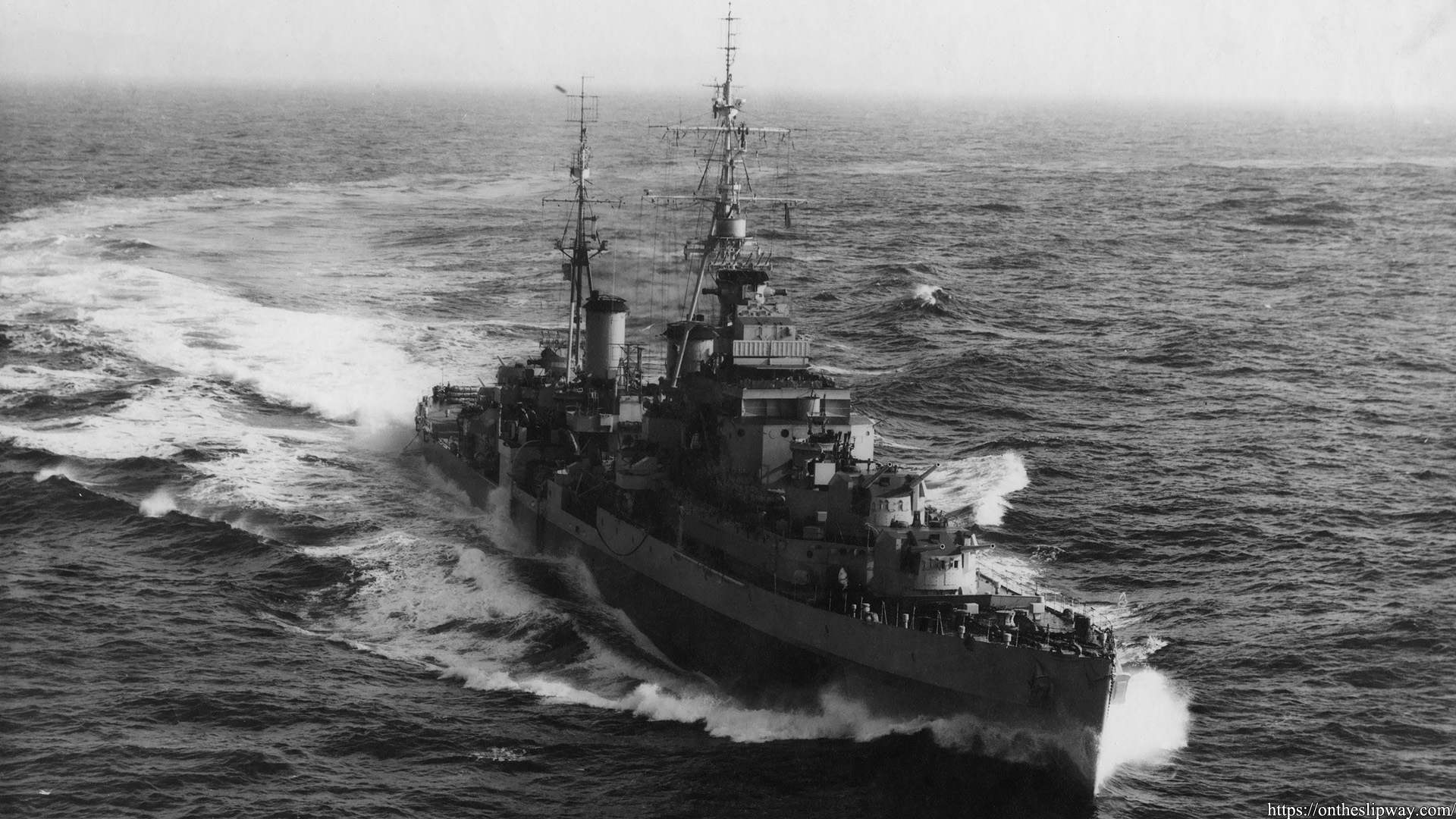
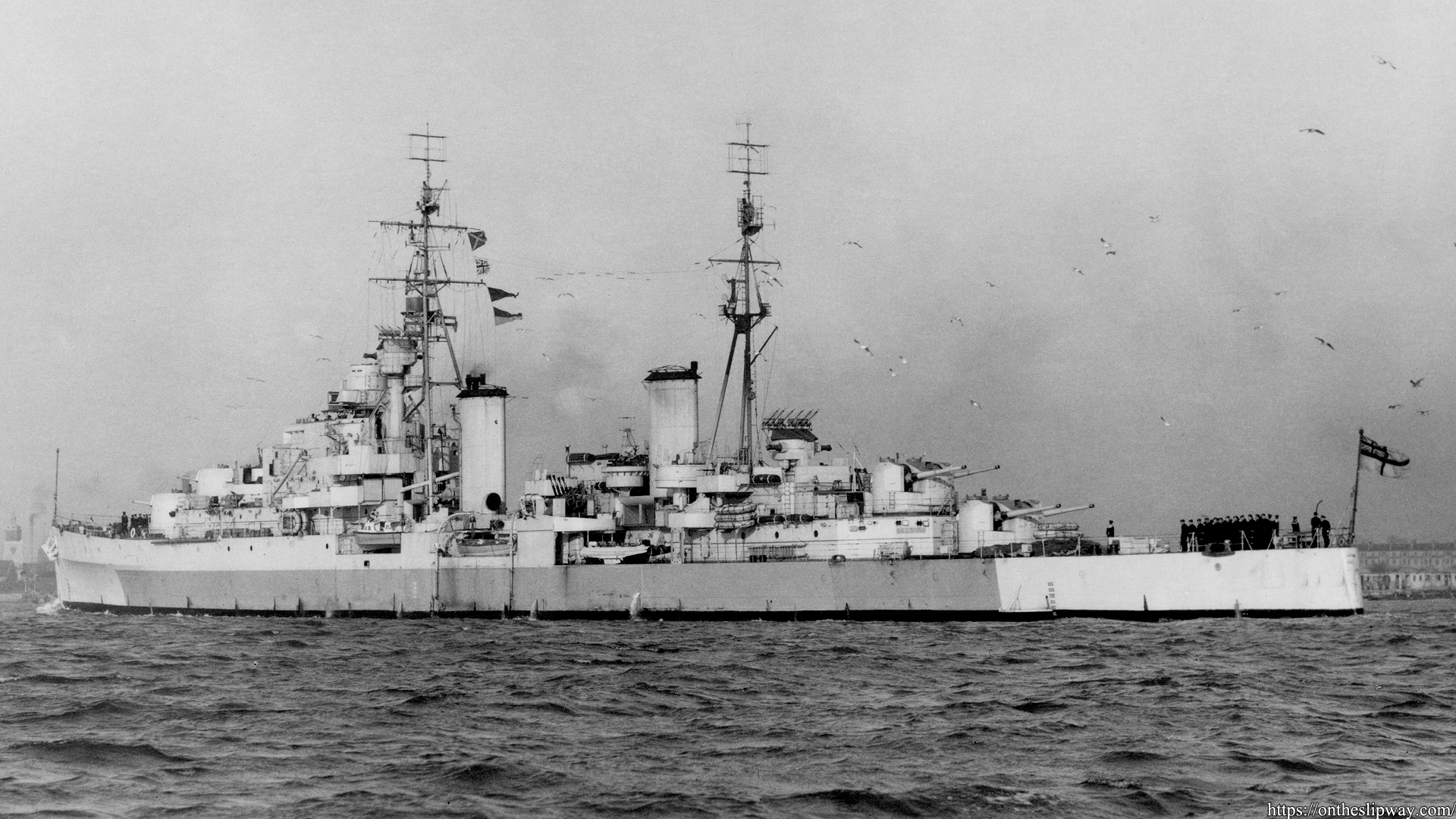
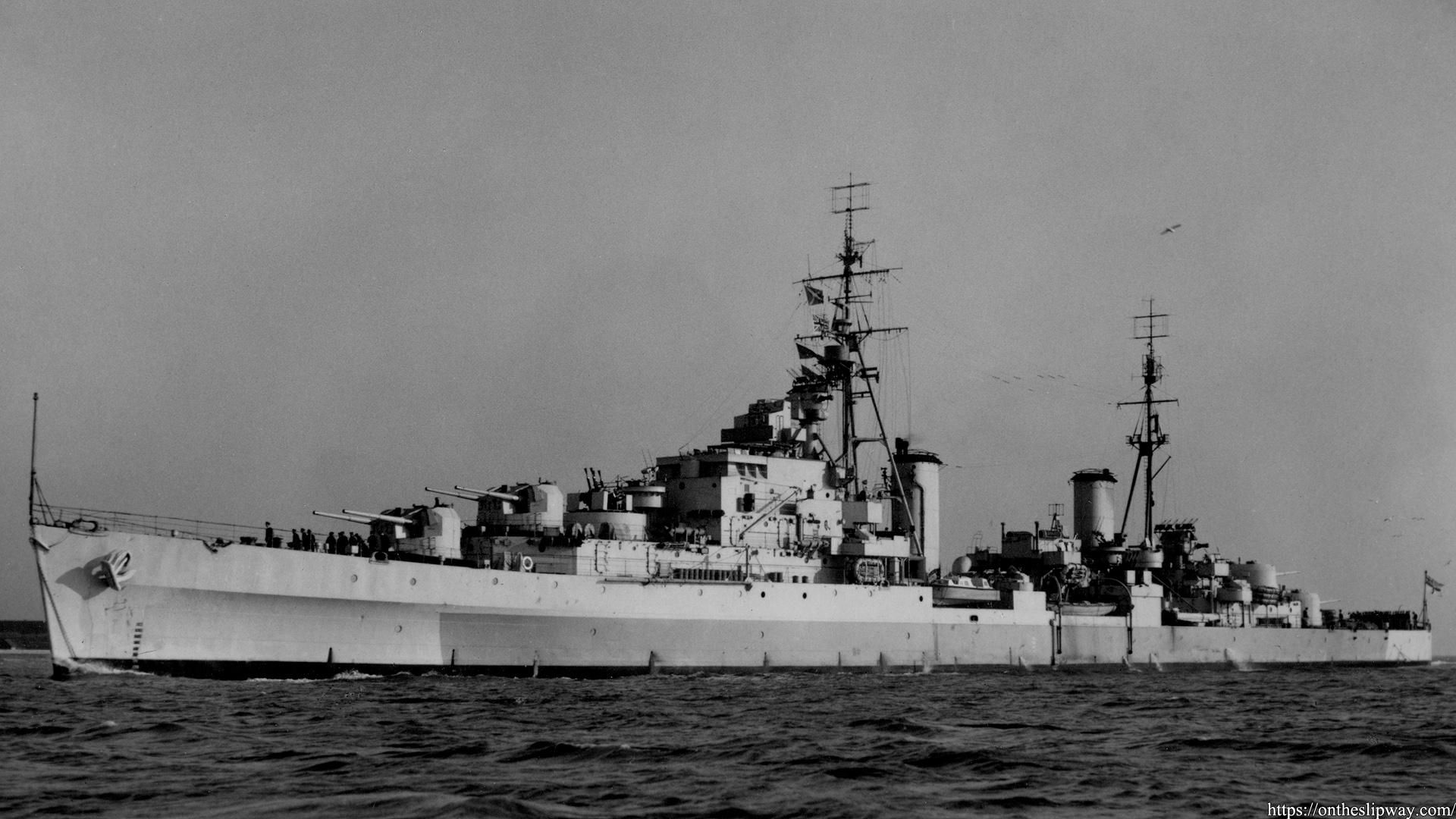
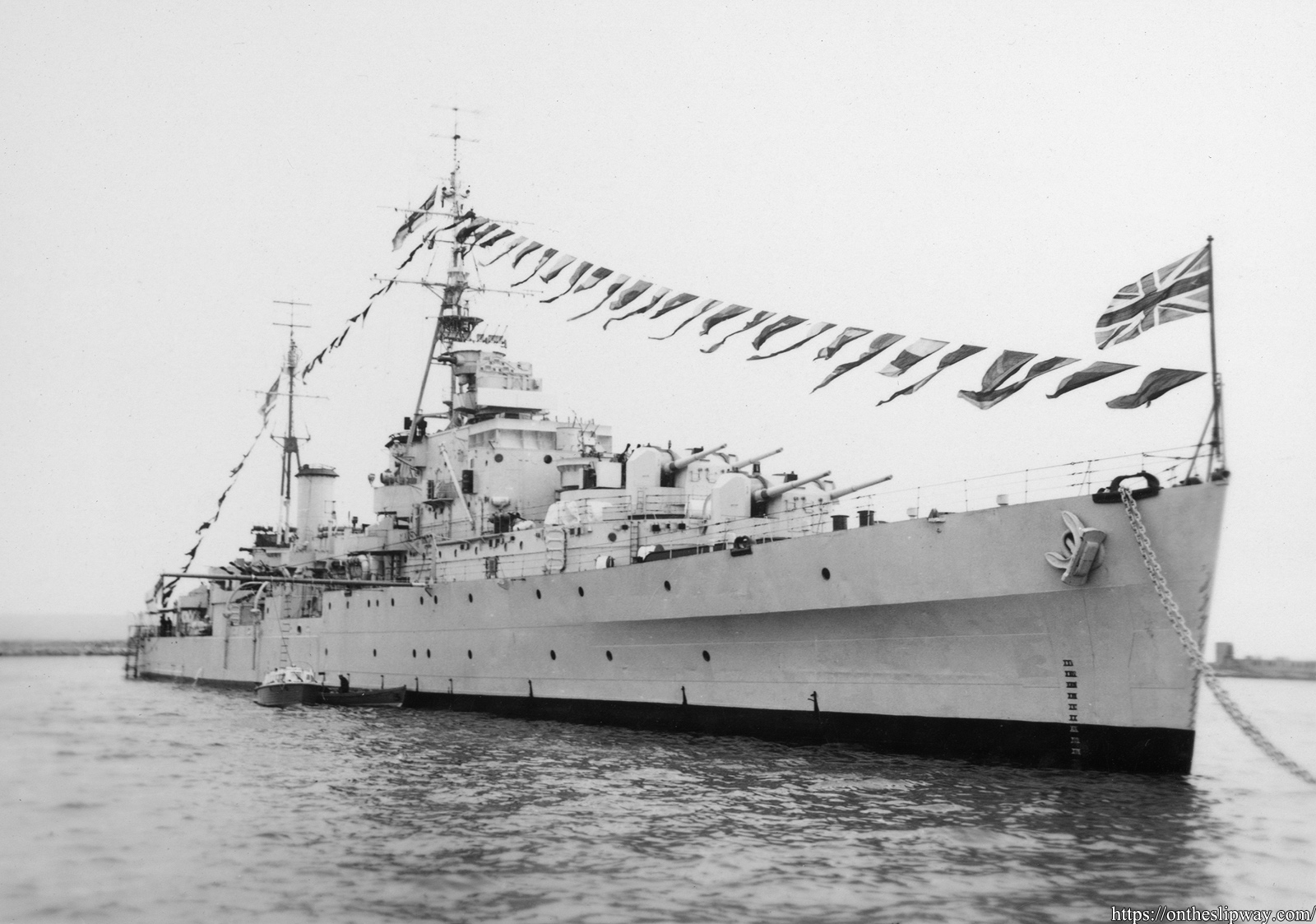
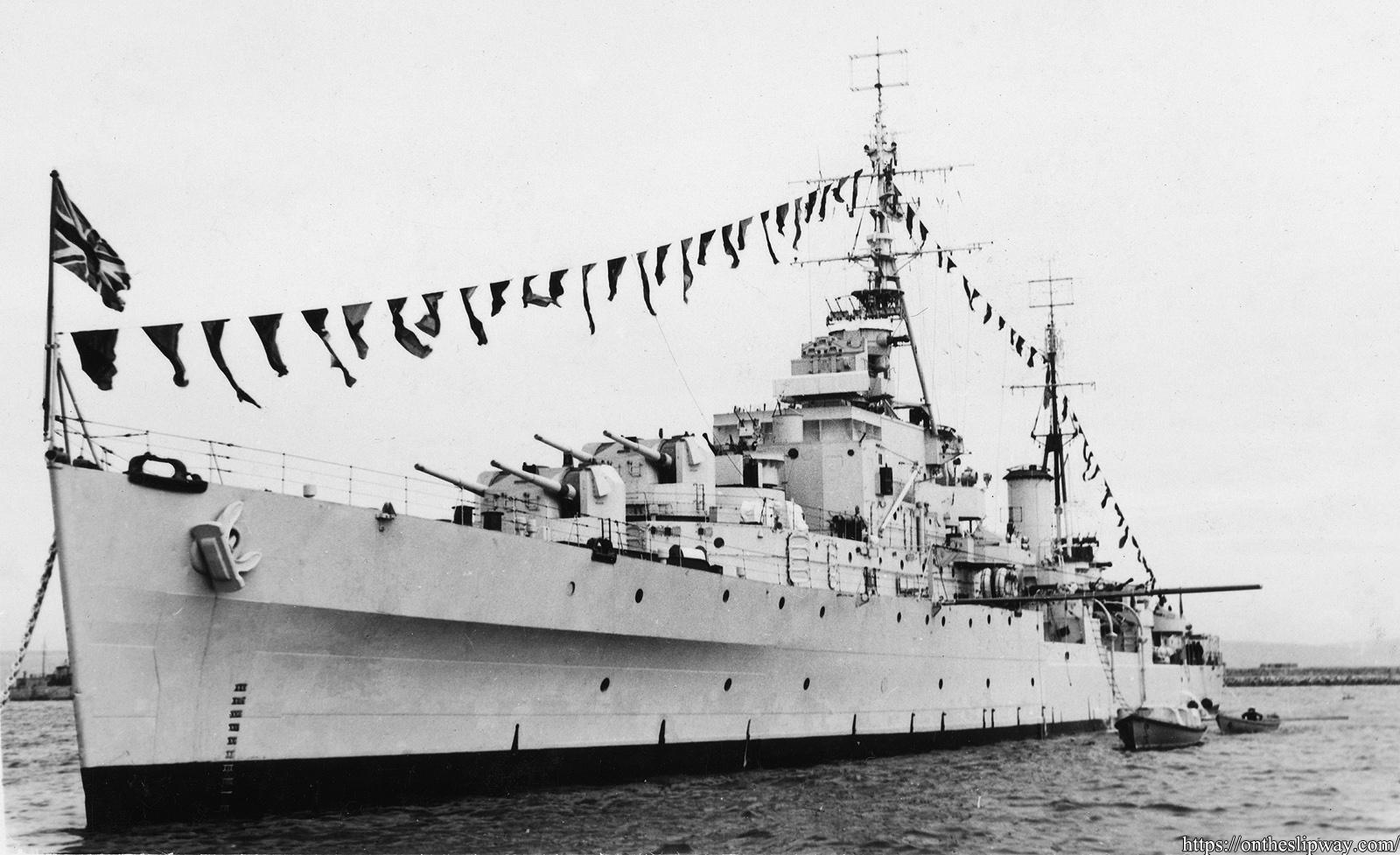
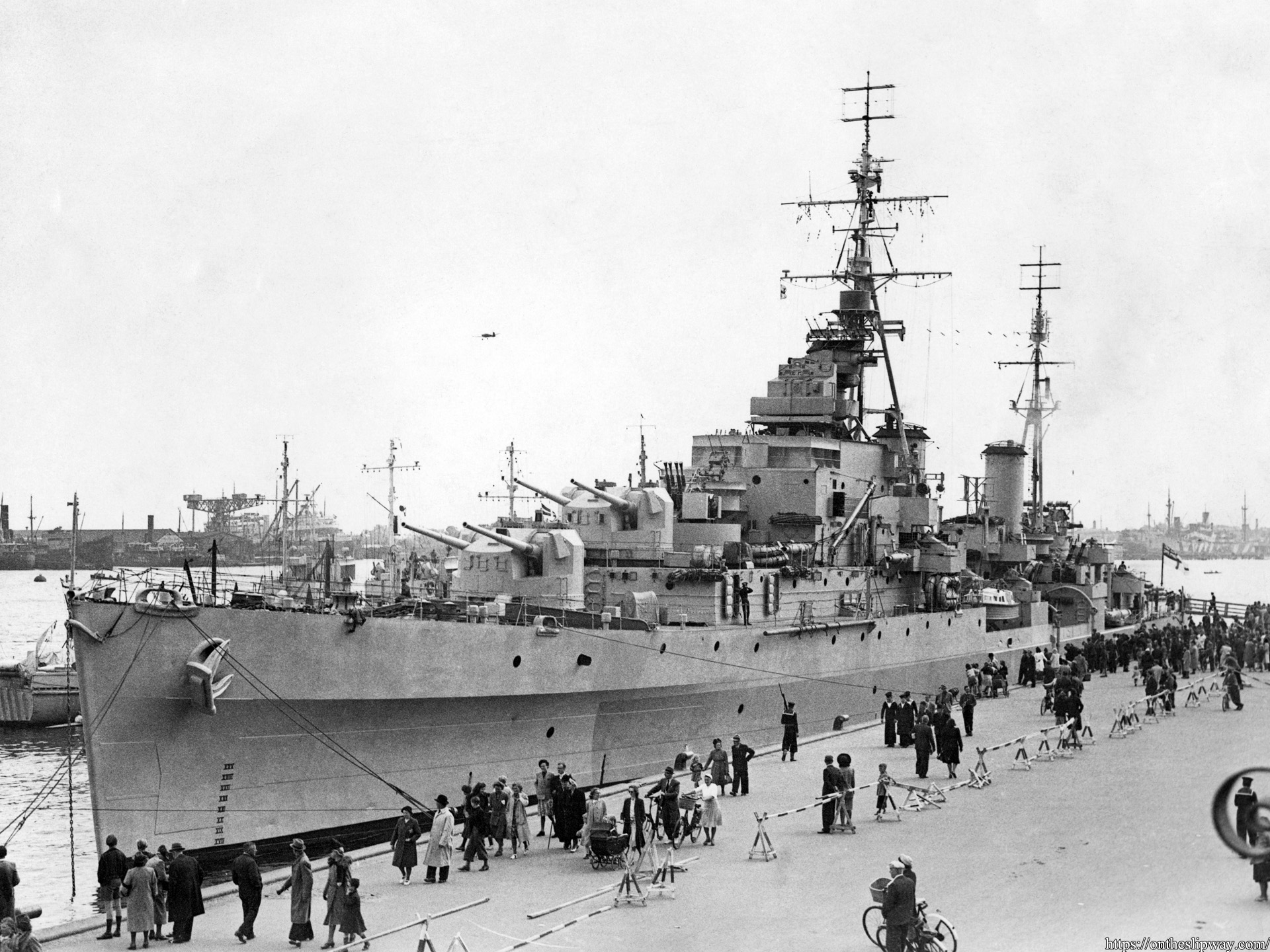
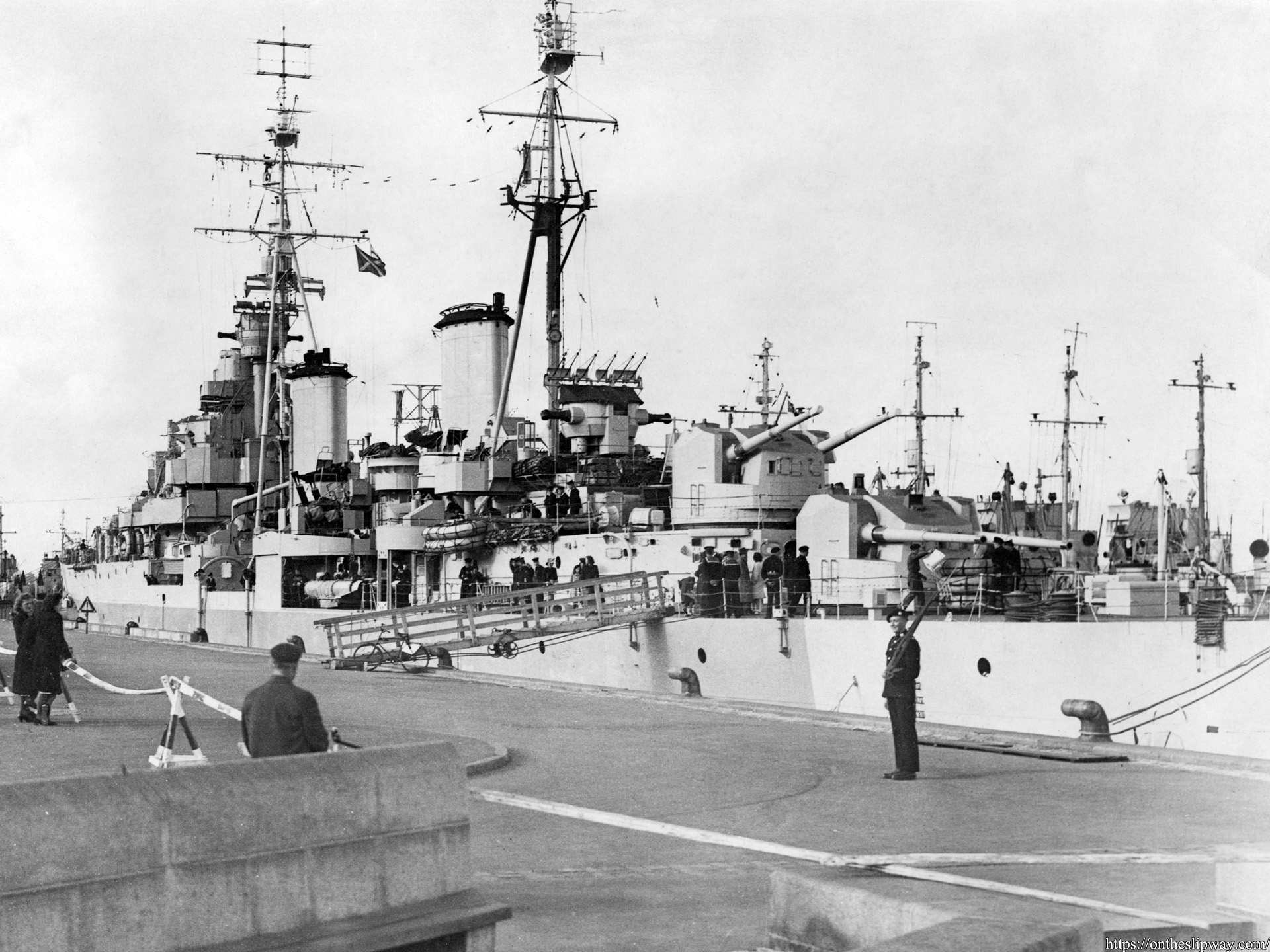
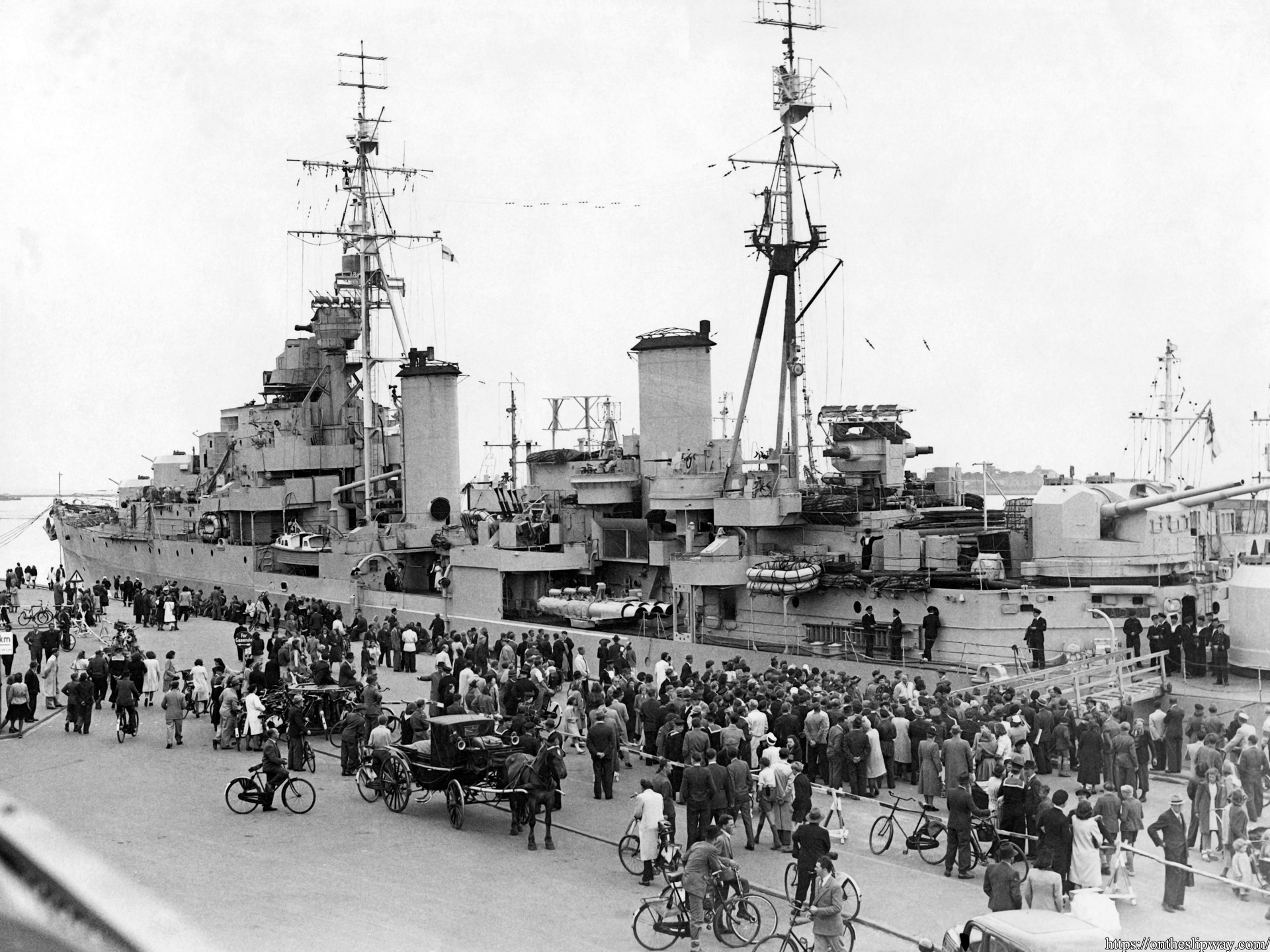
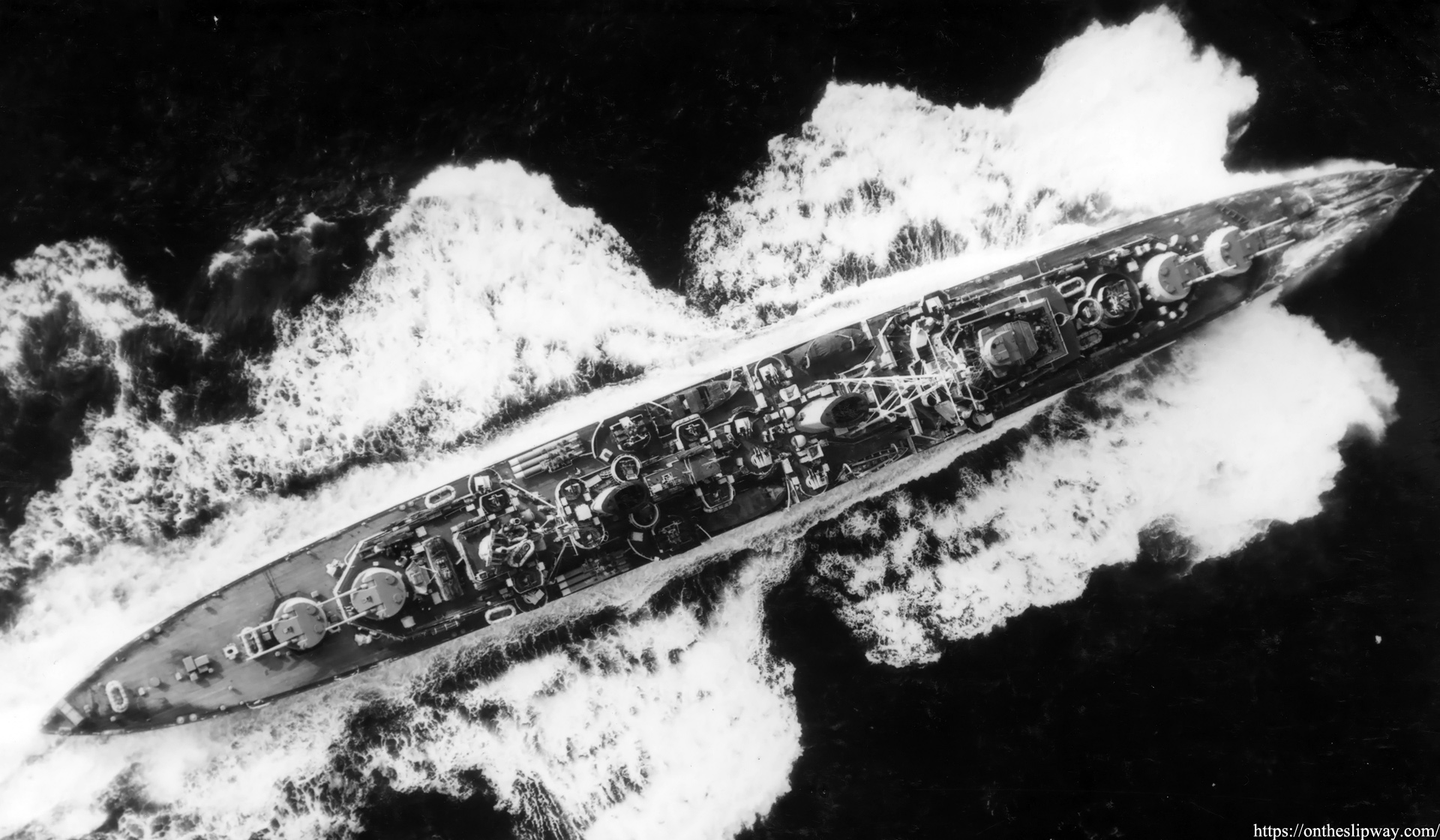
Random images of HMS Diadem I collected for no reason whatsoever….
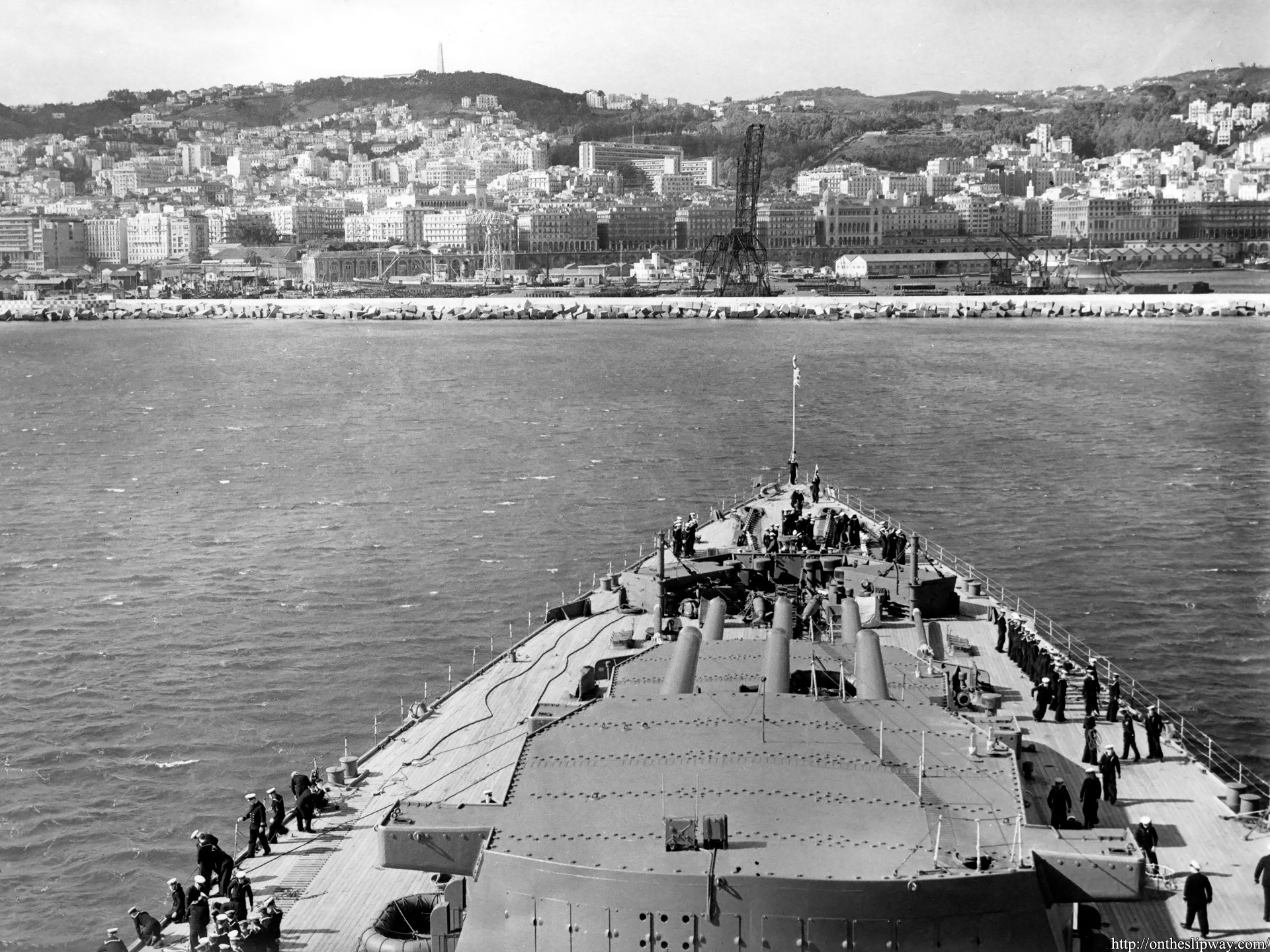
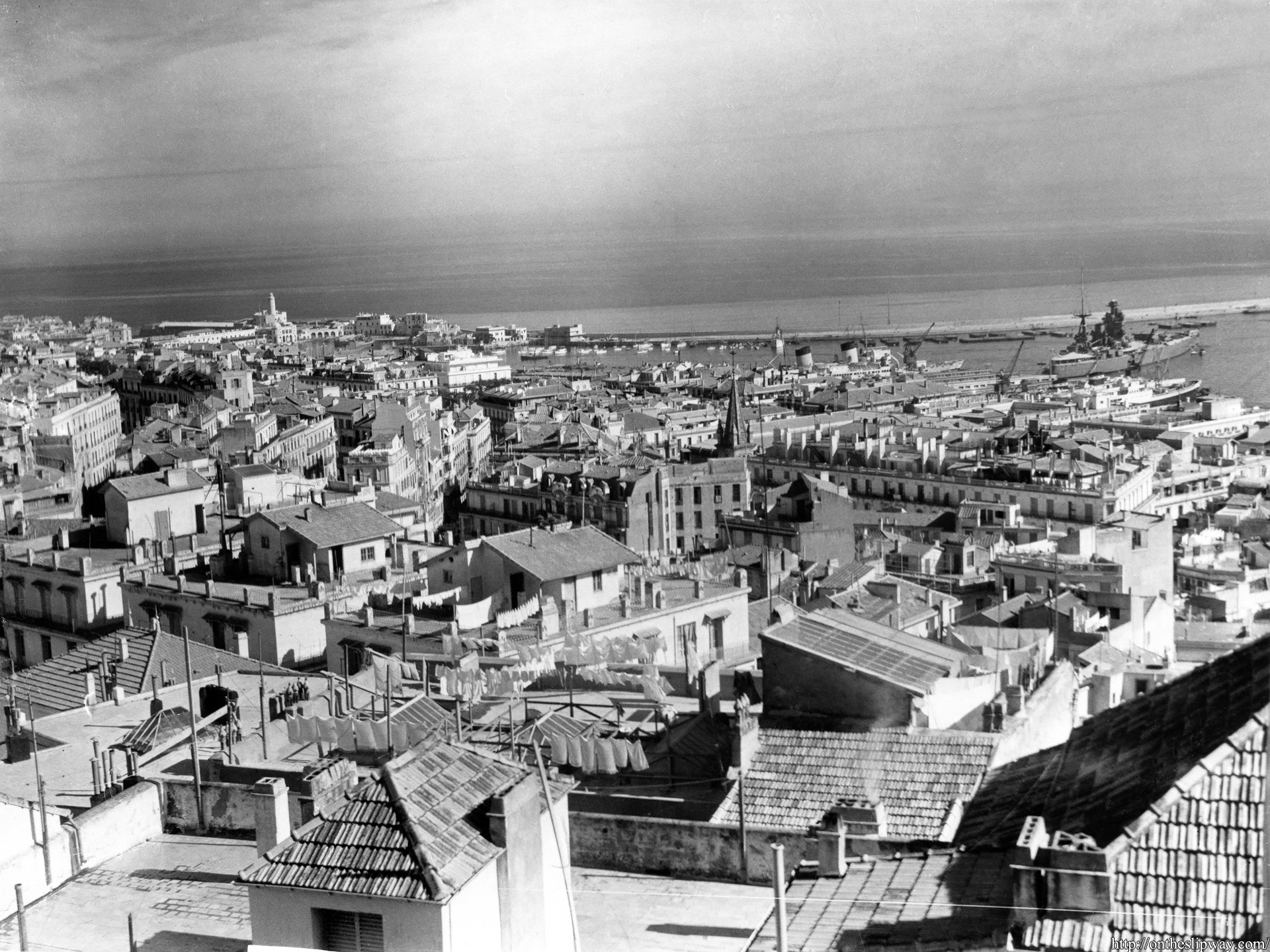
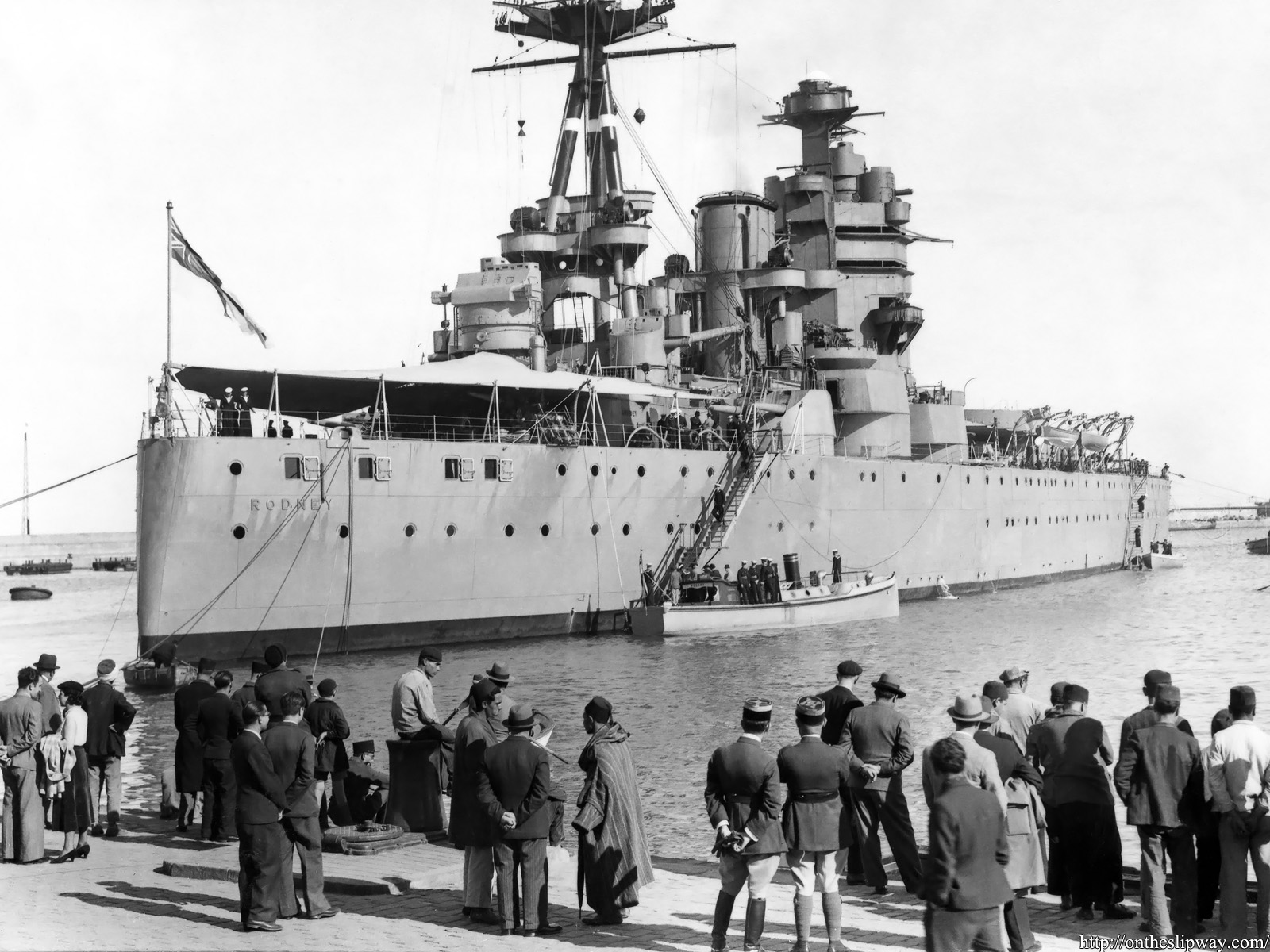
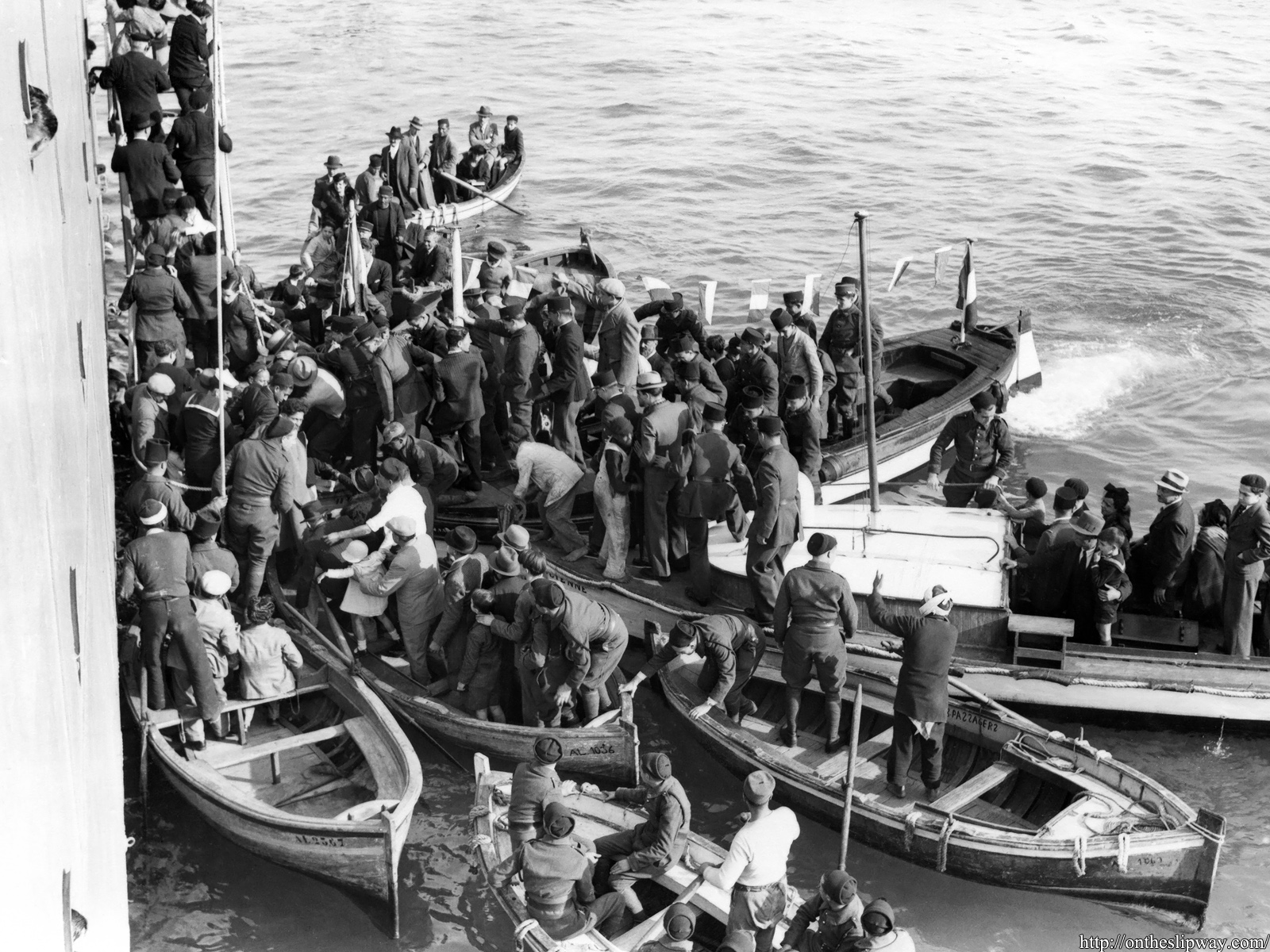
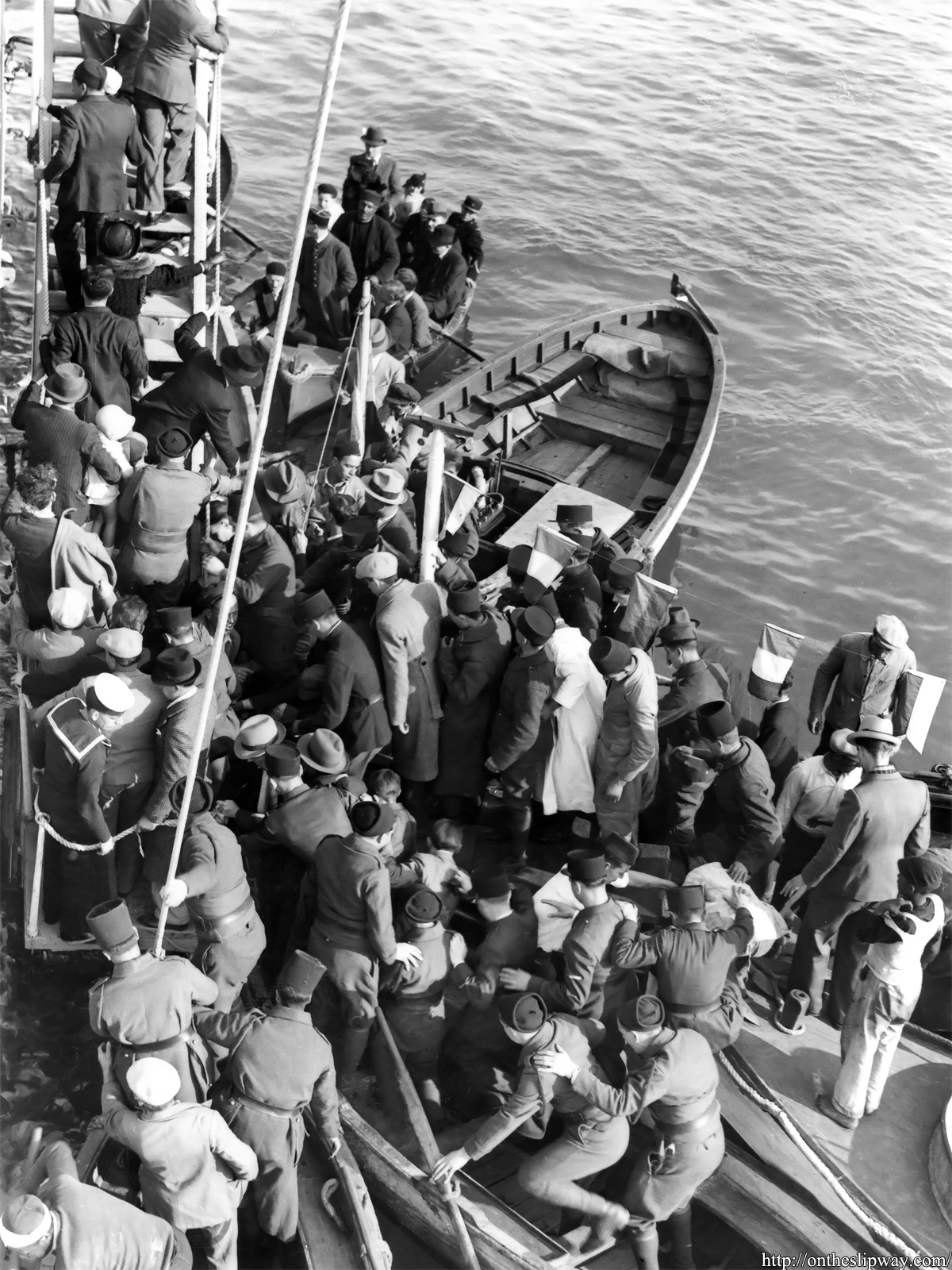
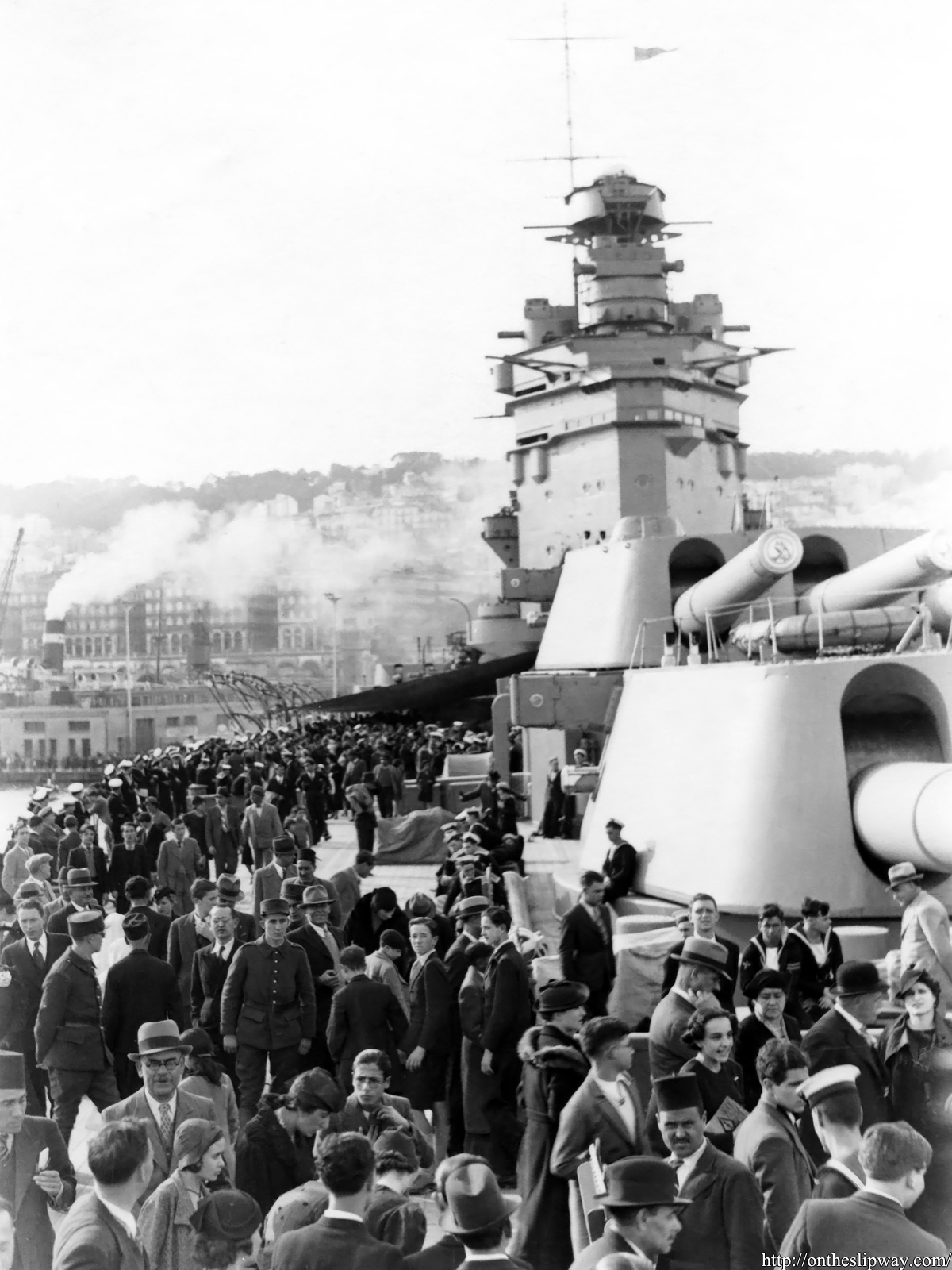
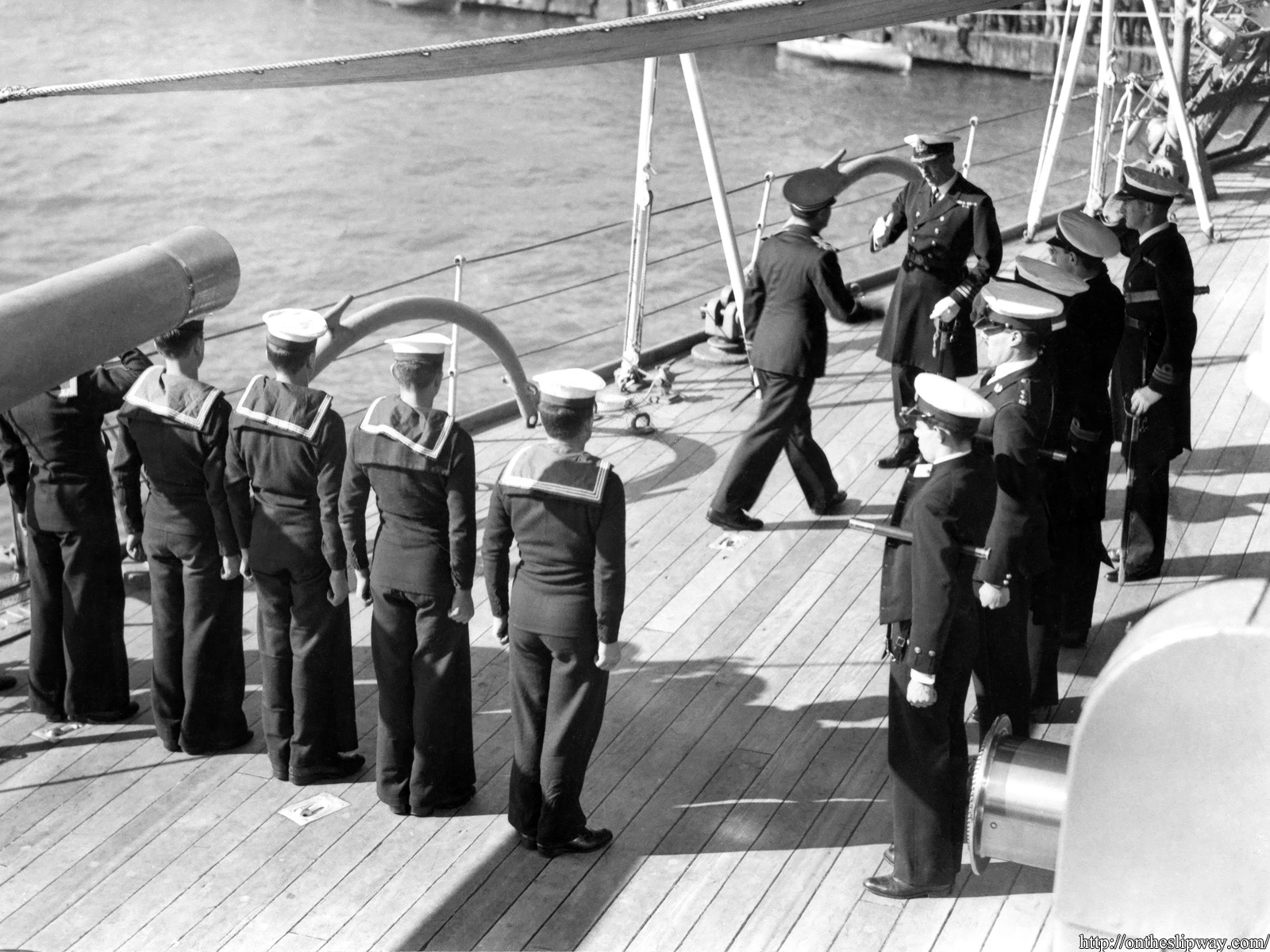
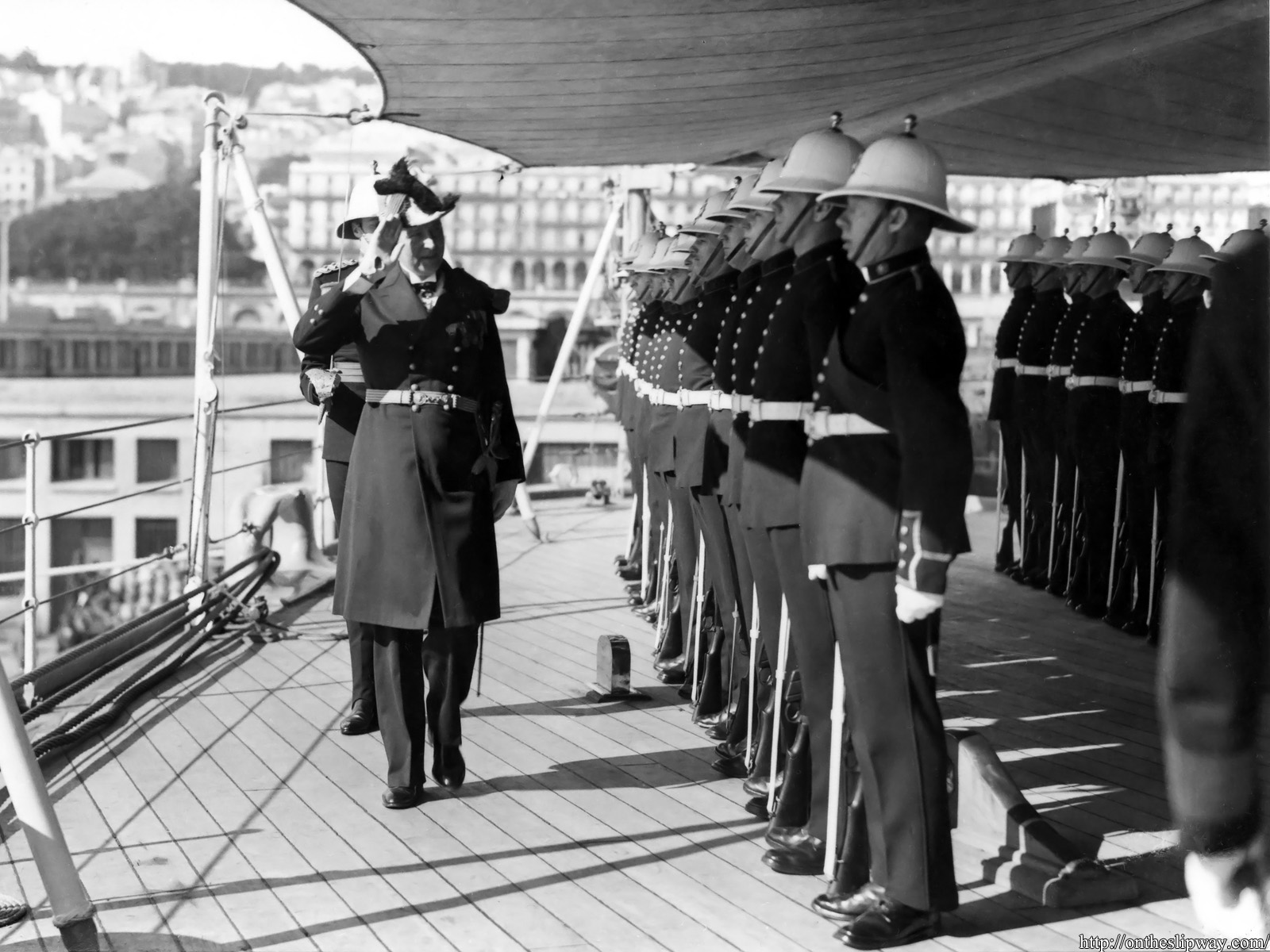
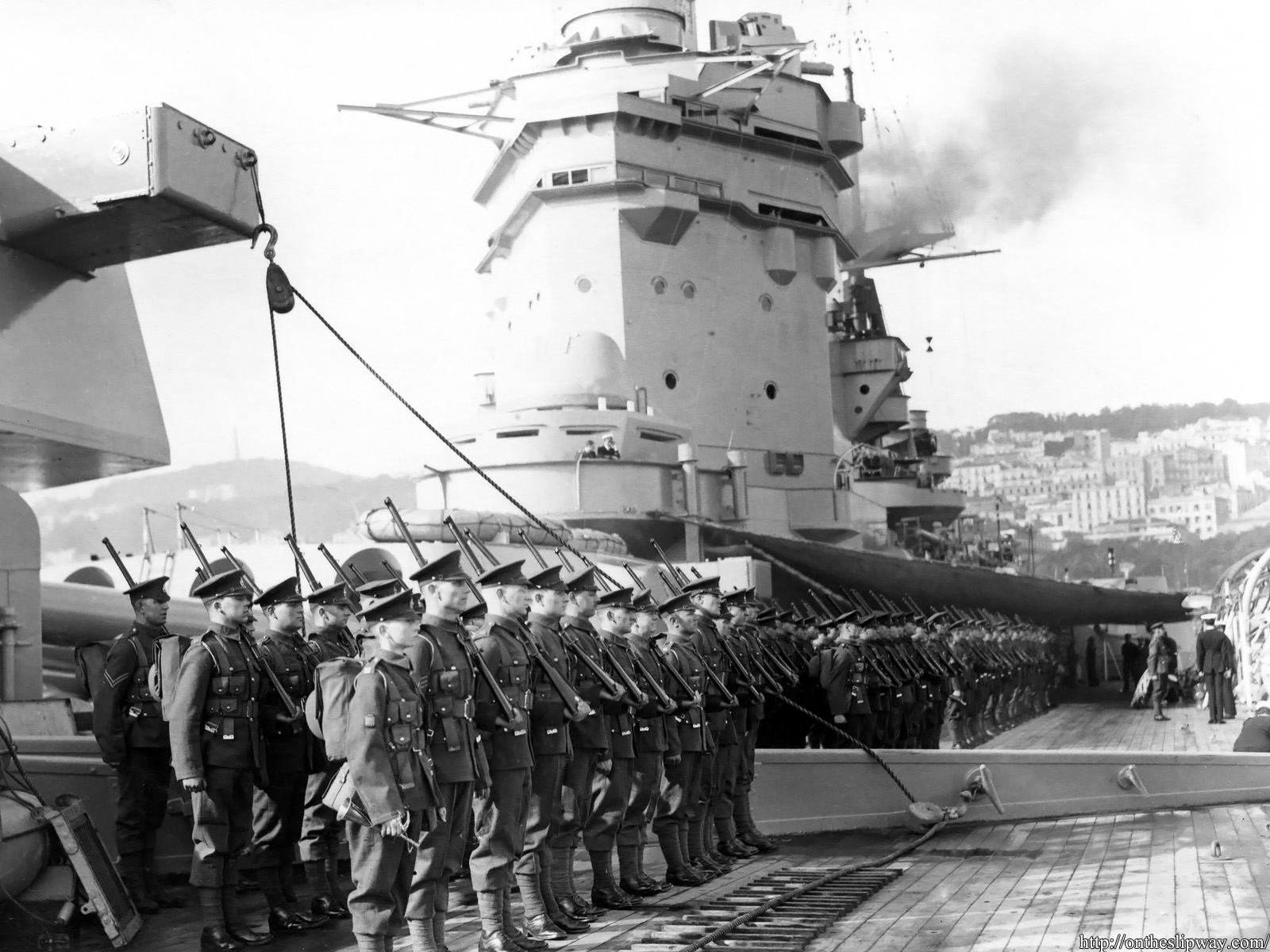
Update of a series of HMS Rodney from an album I picked up on Ebay a while ago; added higher resolution and more pictures after identifying what is on them. The album had no text anywhere and only a few images had text on the back. Using Ballantyne’ s Rodney book and simply searching for images of the buildings in the background lead to the city of Algiers that Rodney visited from January 29th to February 6th 1937. Some images are from the Spring Cruise.
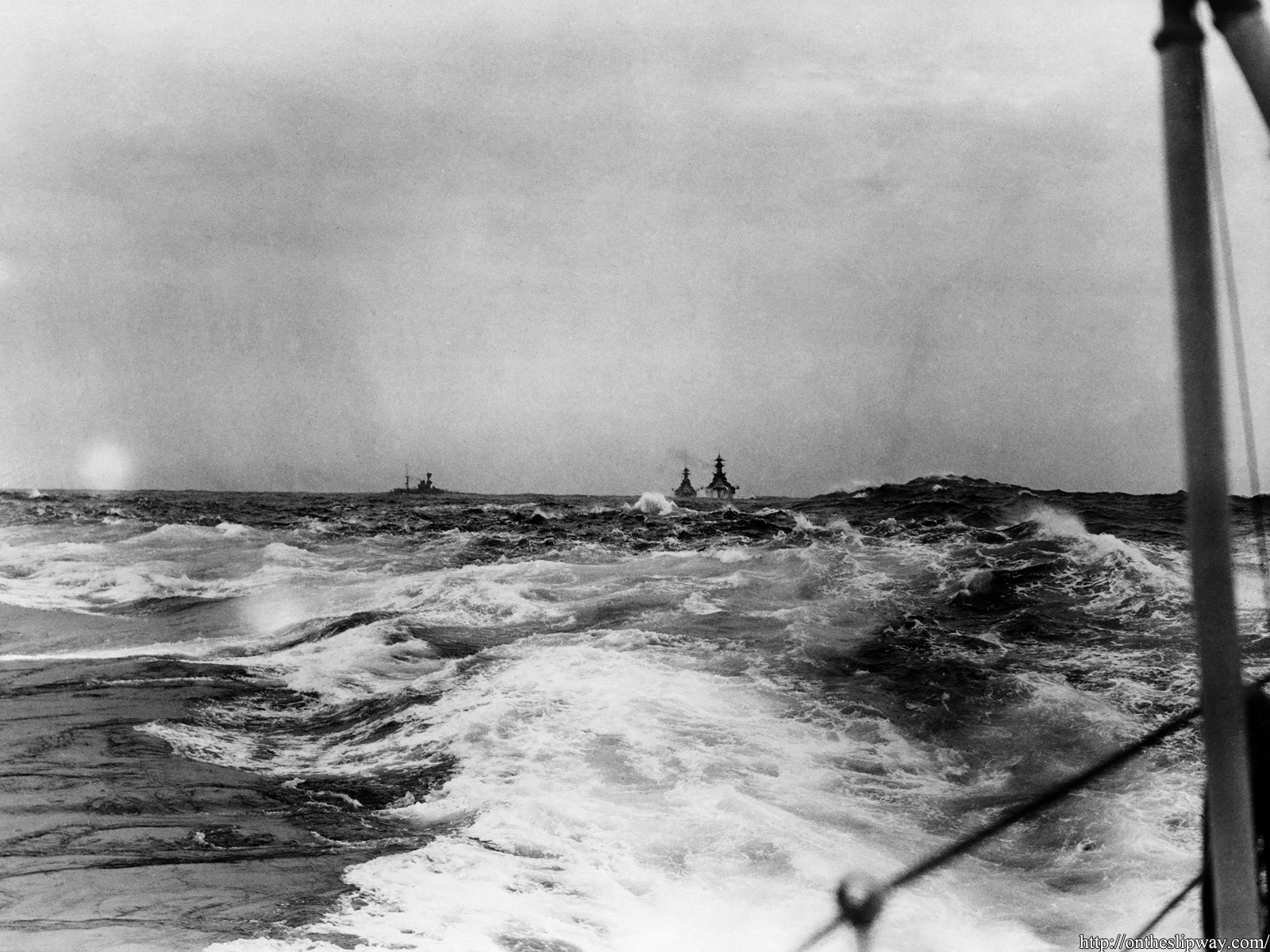
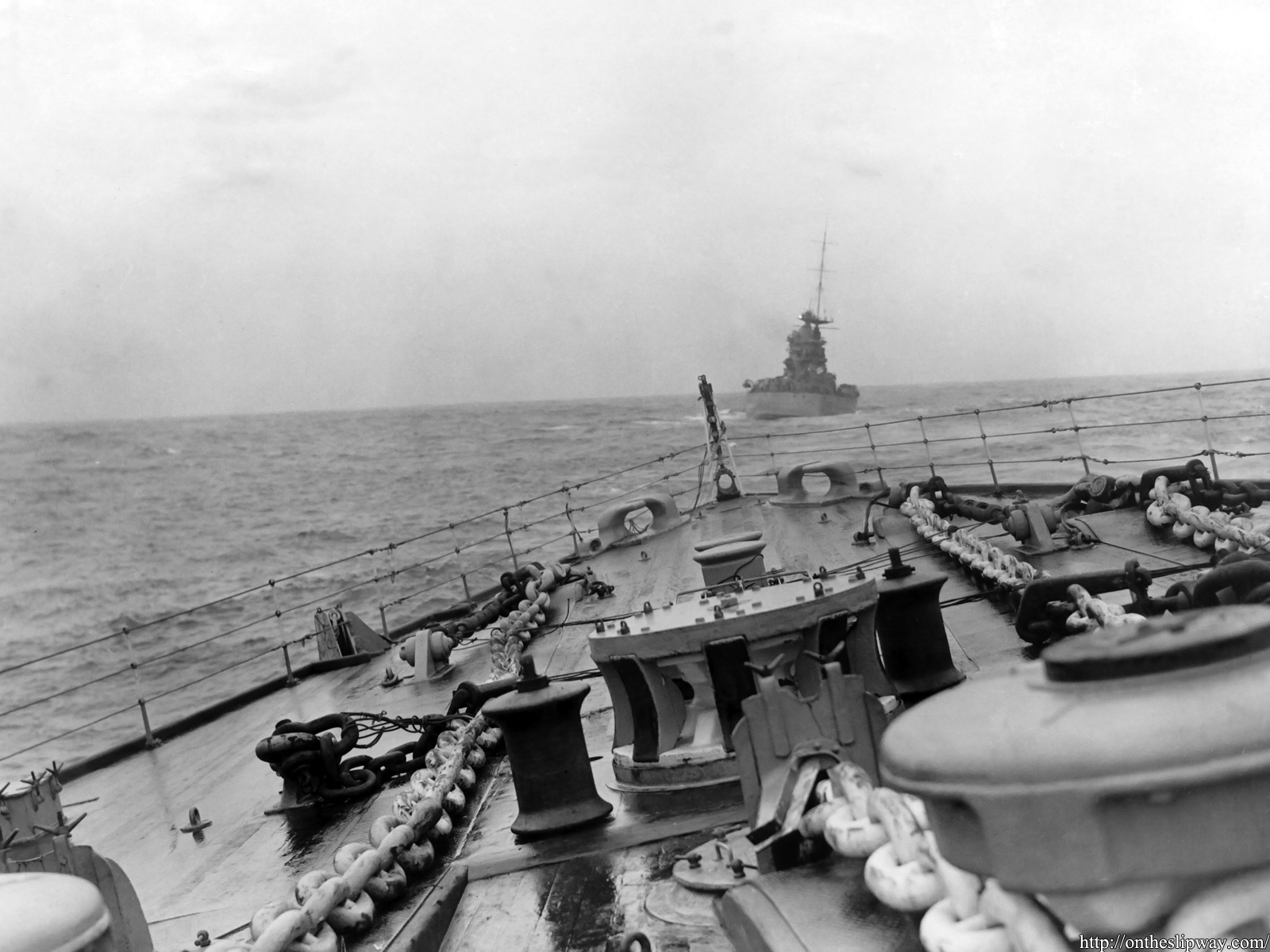
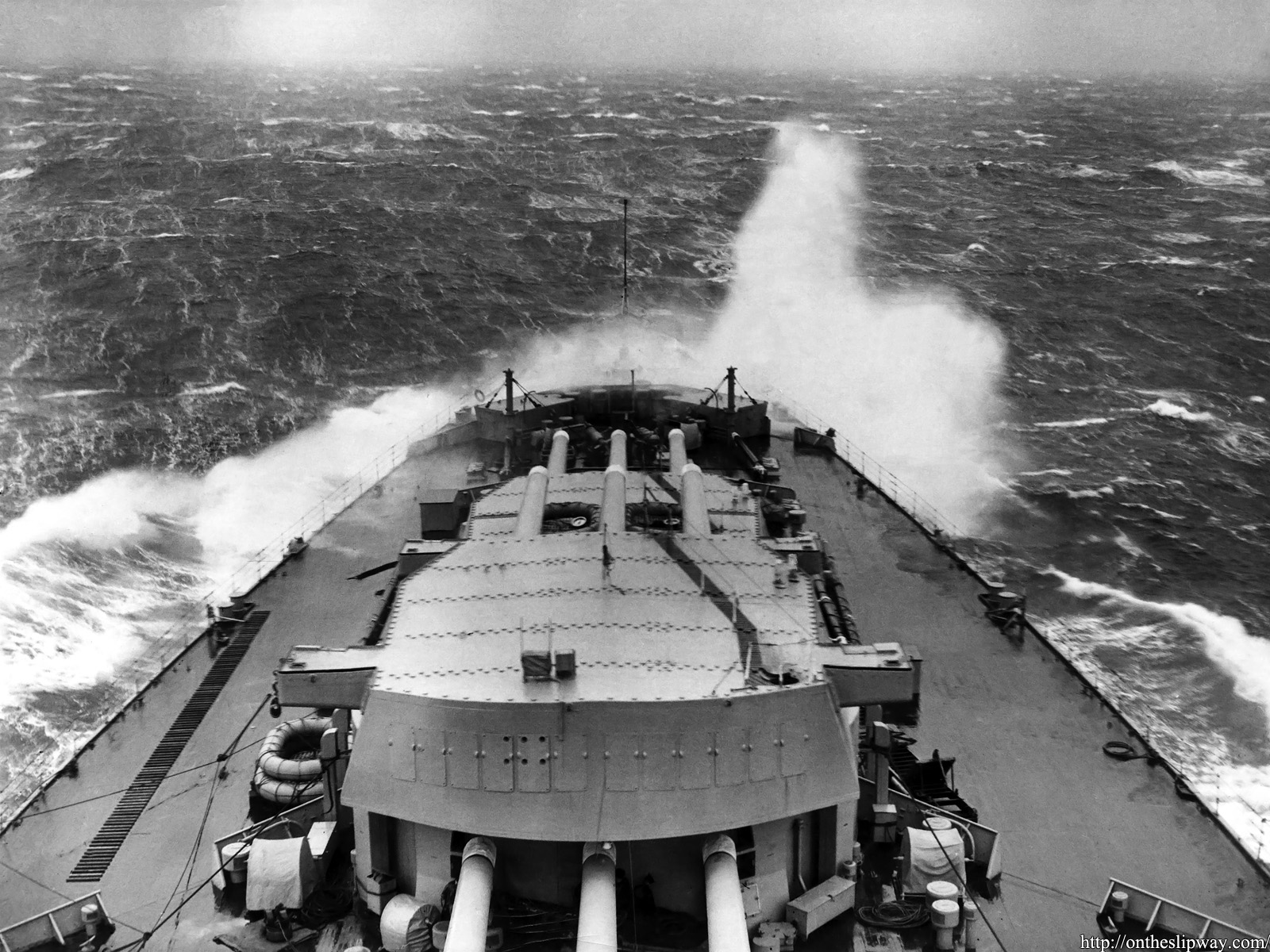
Mild gale in the Bay of Biscay during the spring cruise
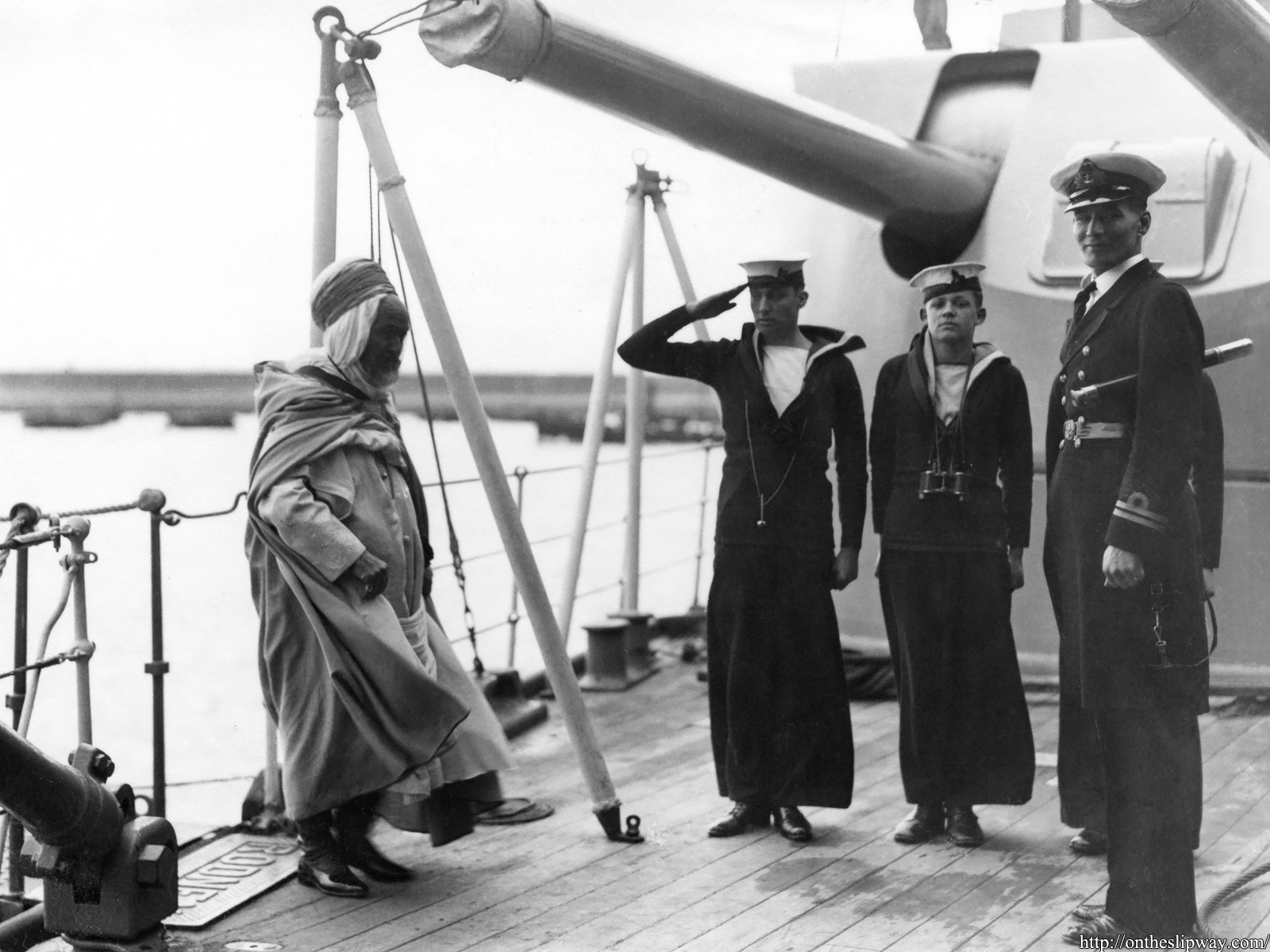
Khalifat Djelloul Ben Lakhdar
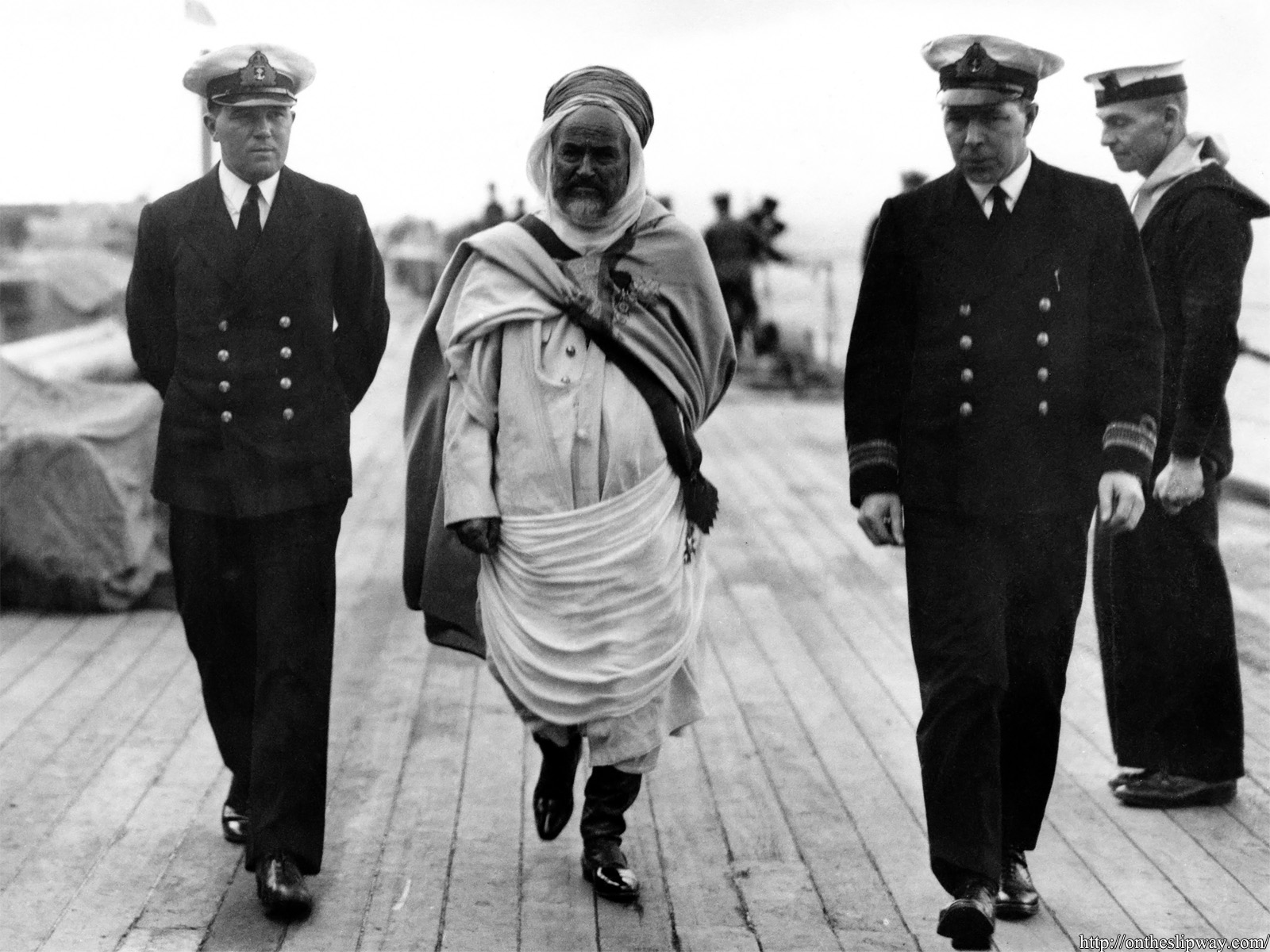
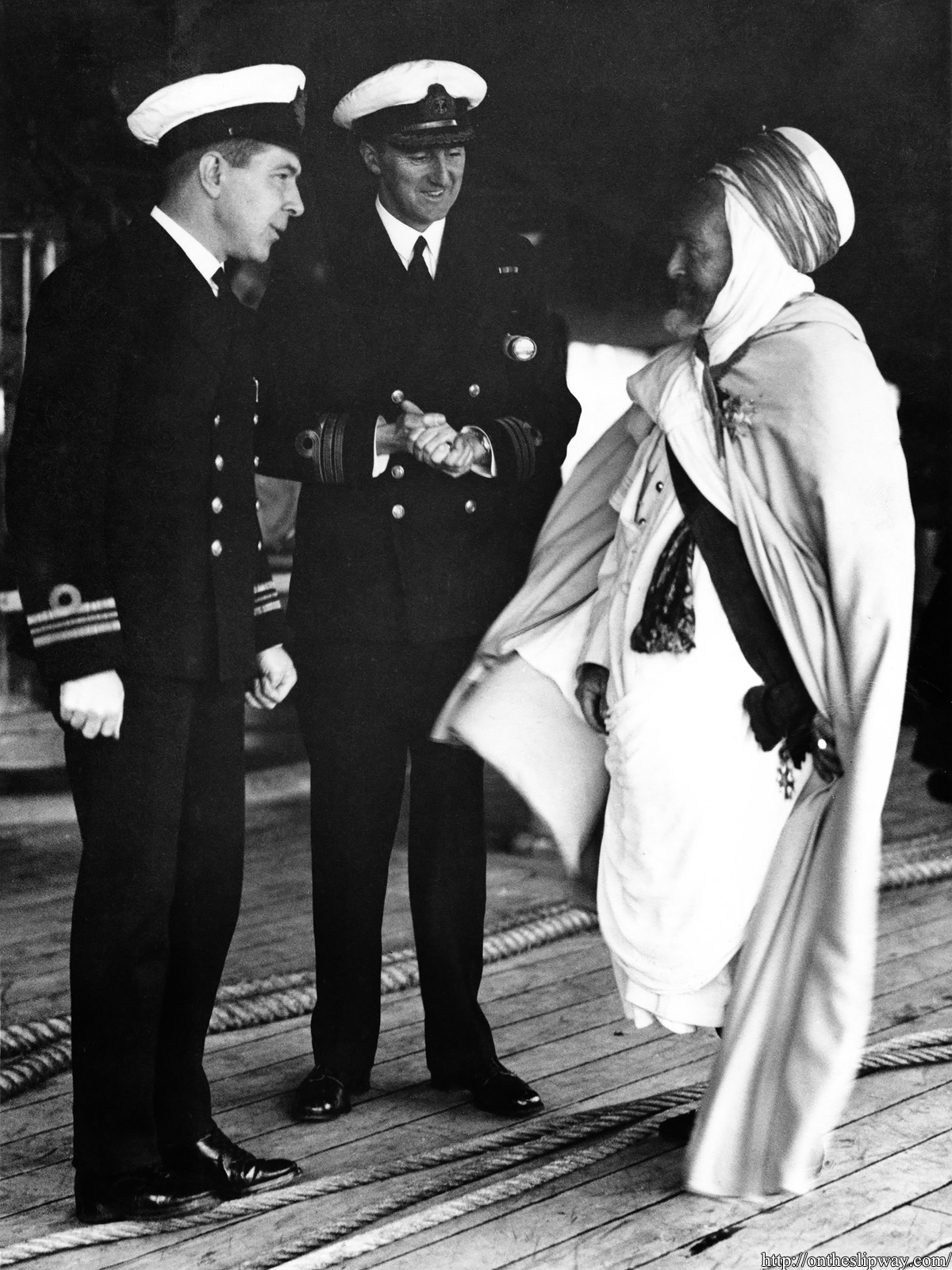
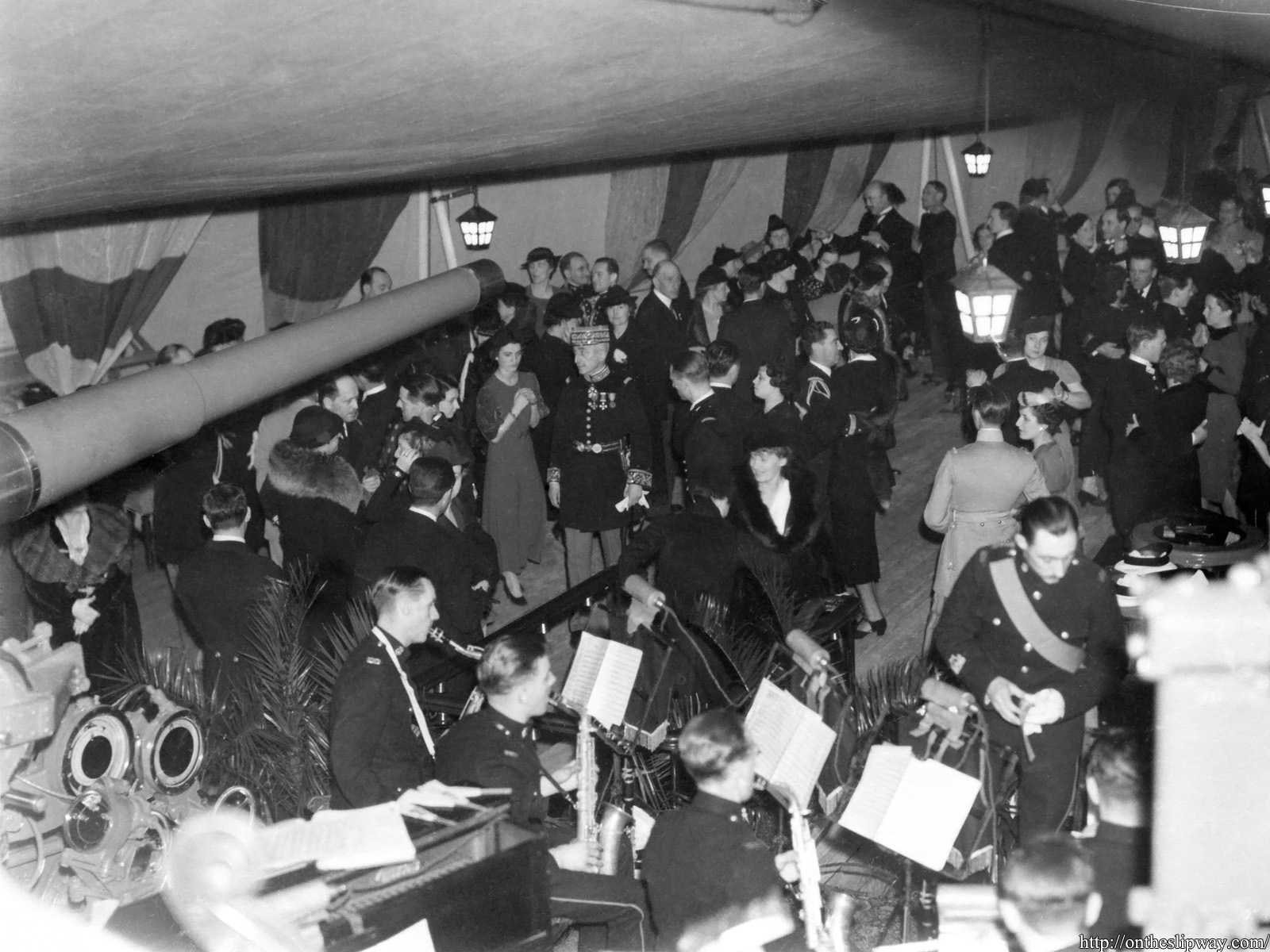
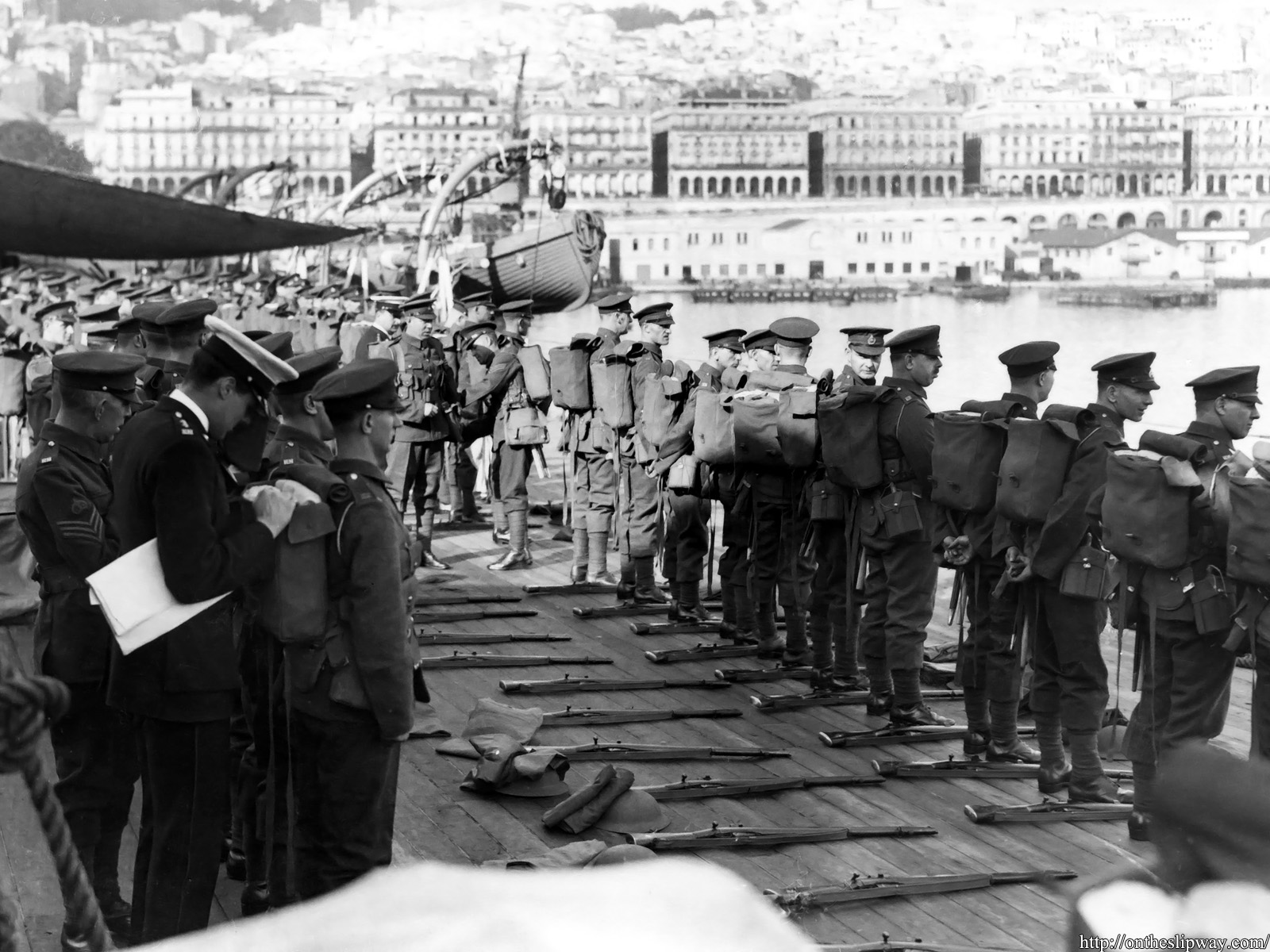
This image was also found in this newspaper confirming the location and date.
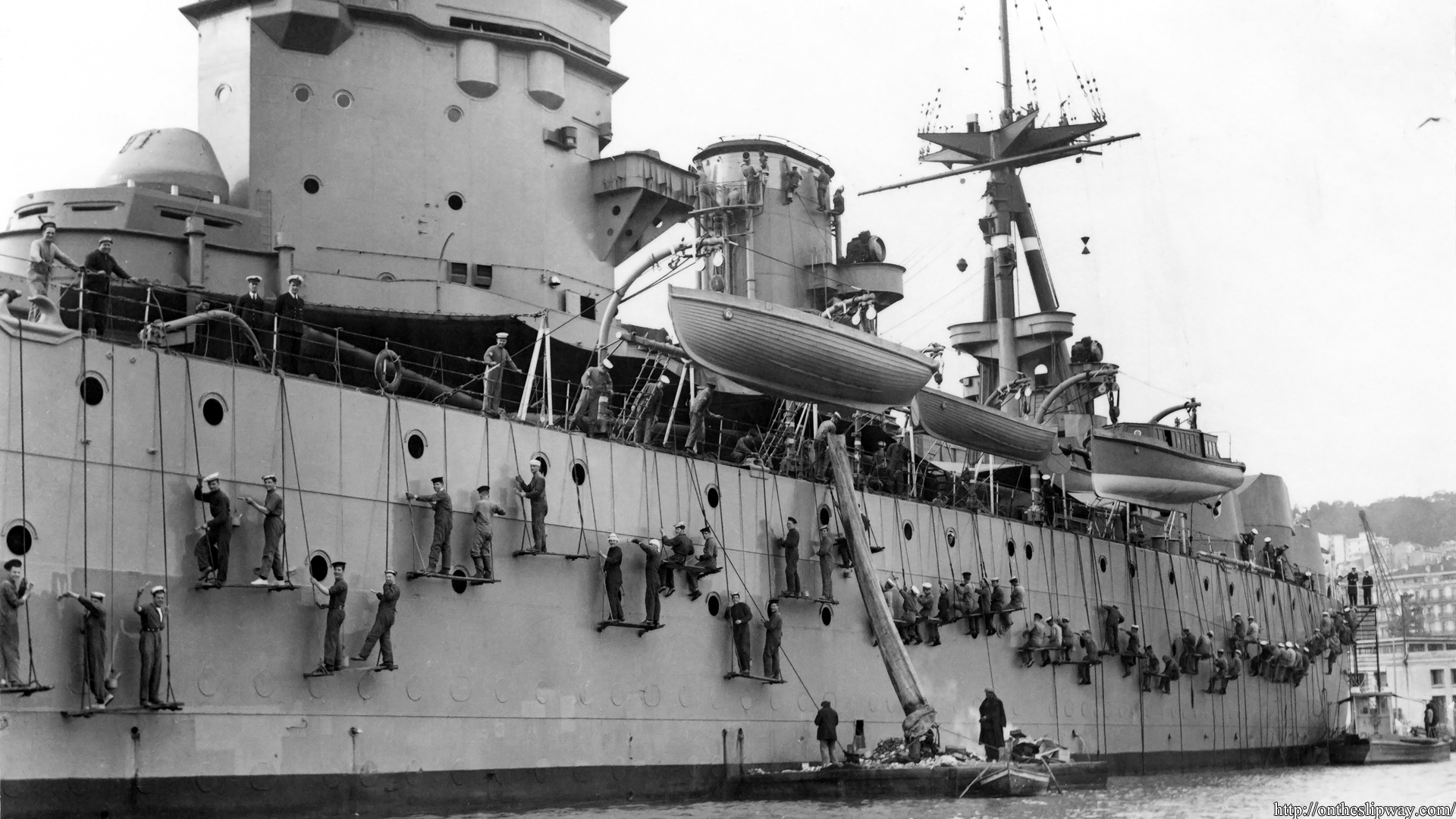
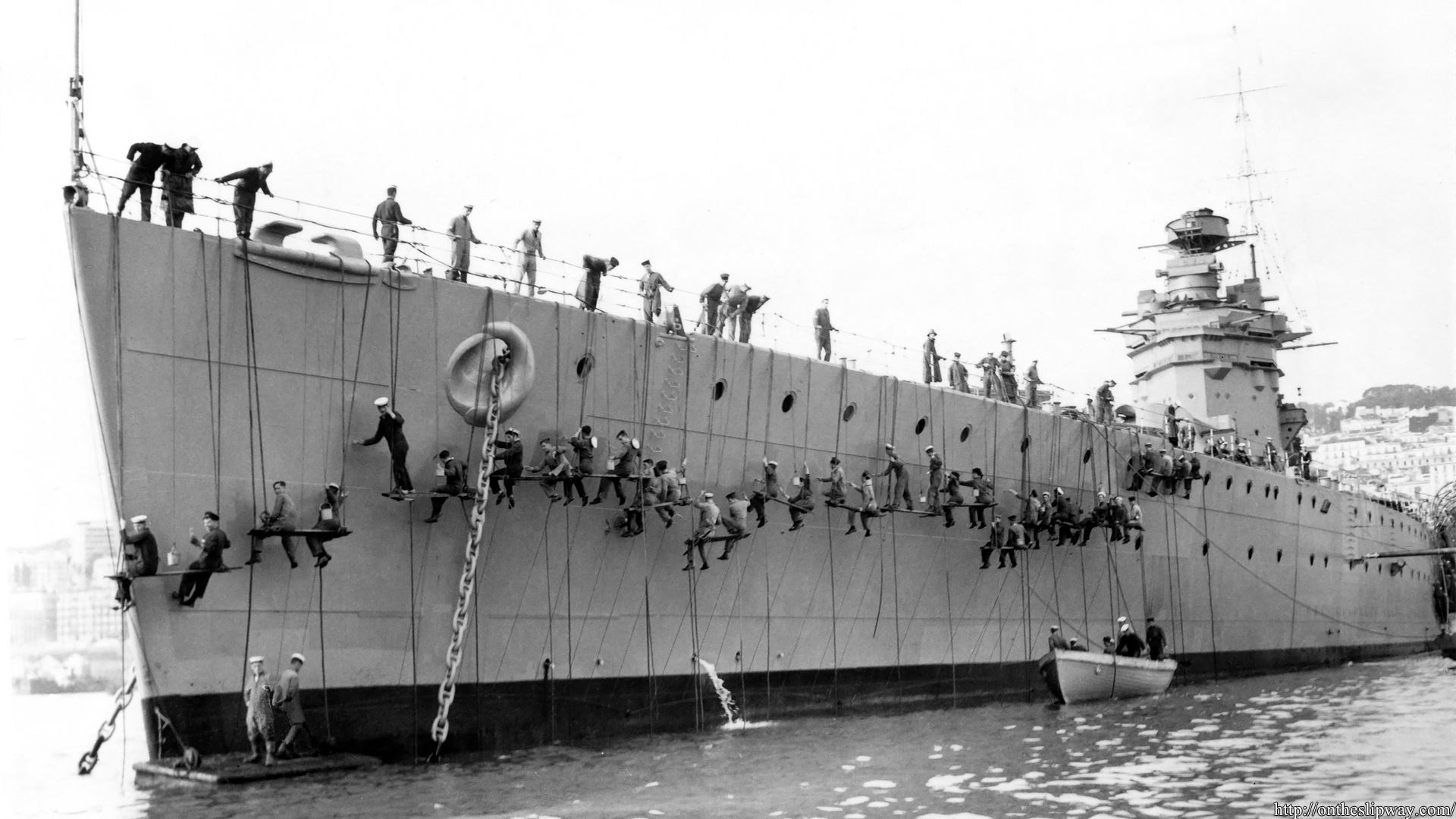
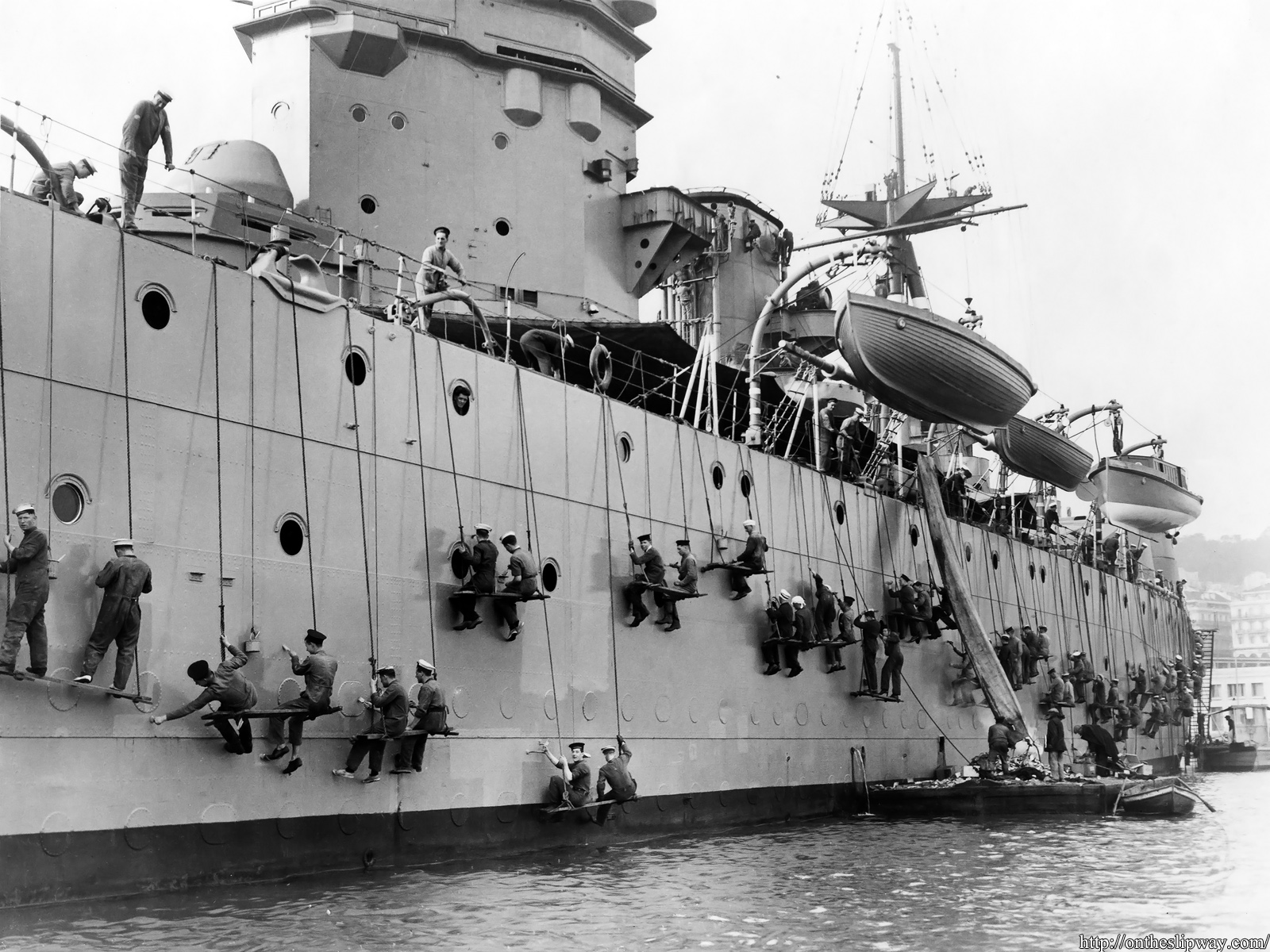
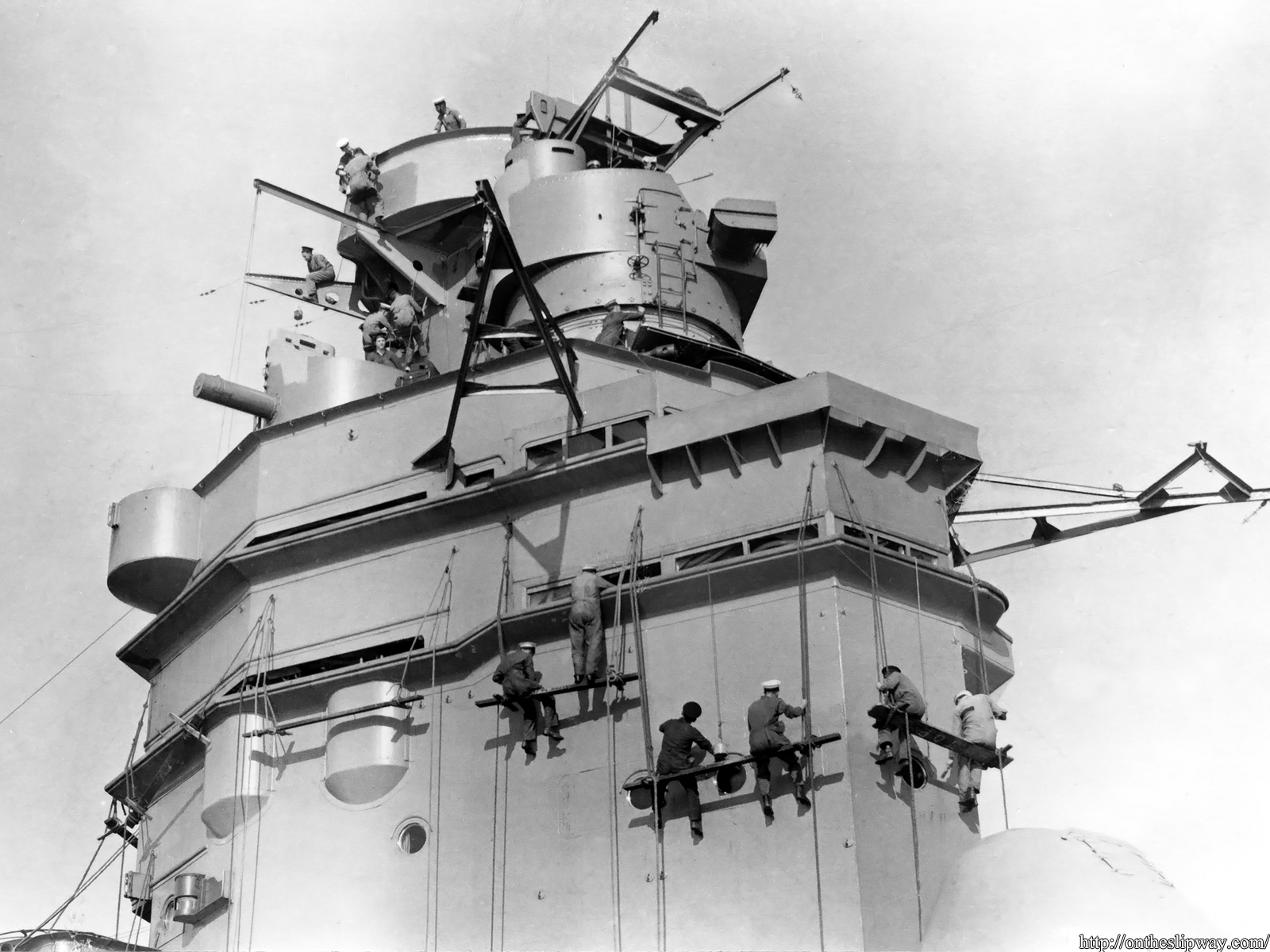
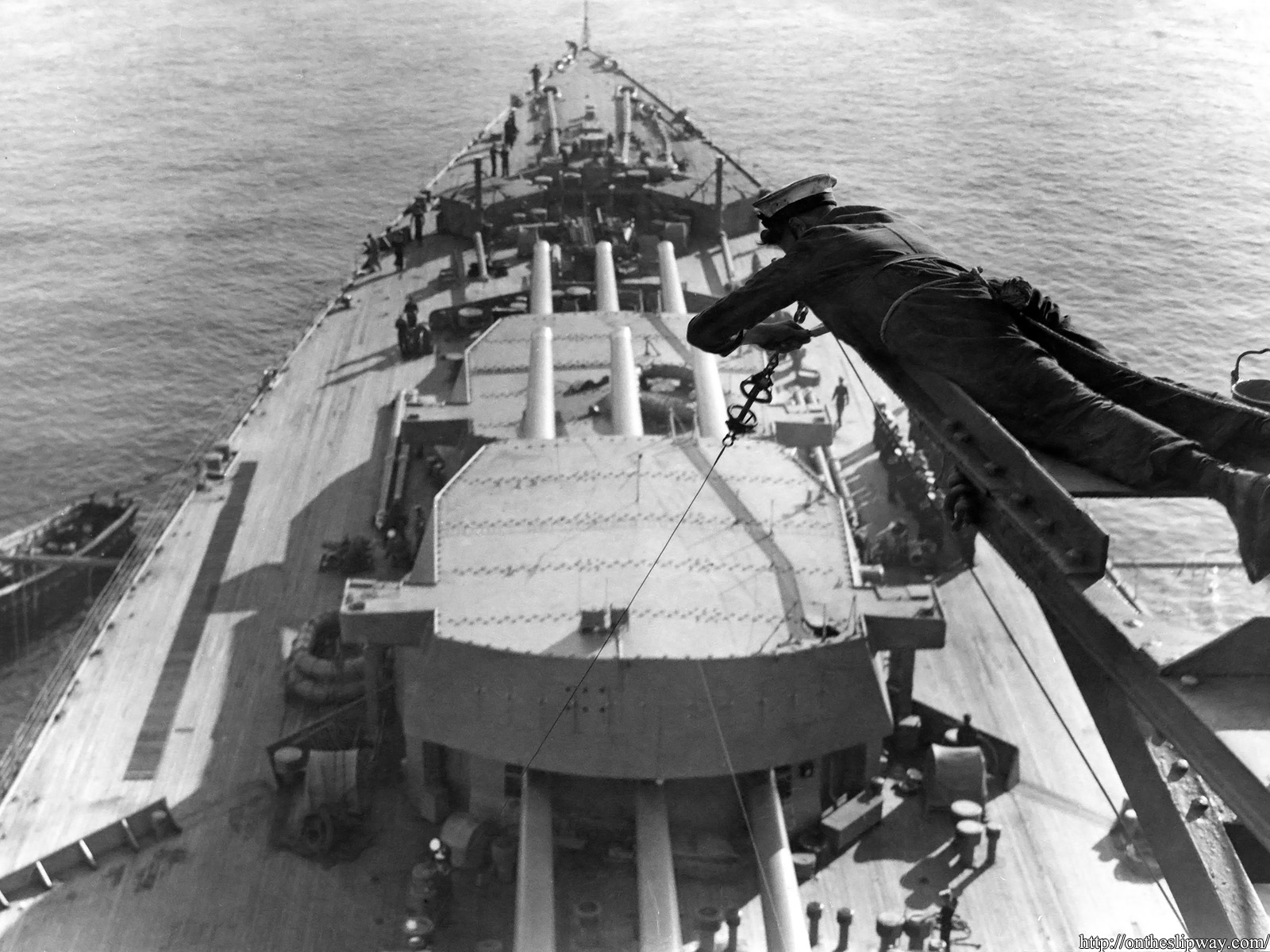

Another image of the crew touching up the paintwork was found here
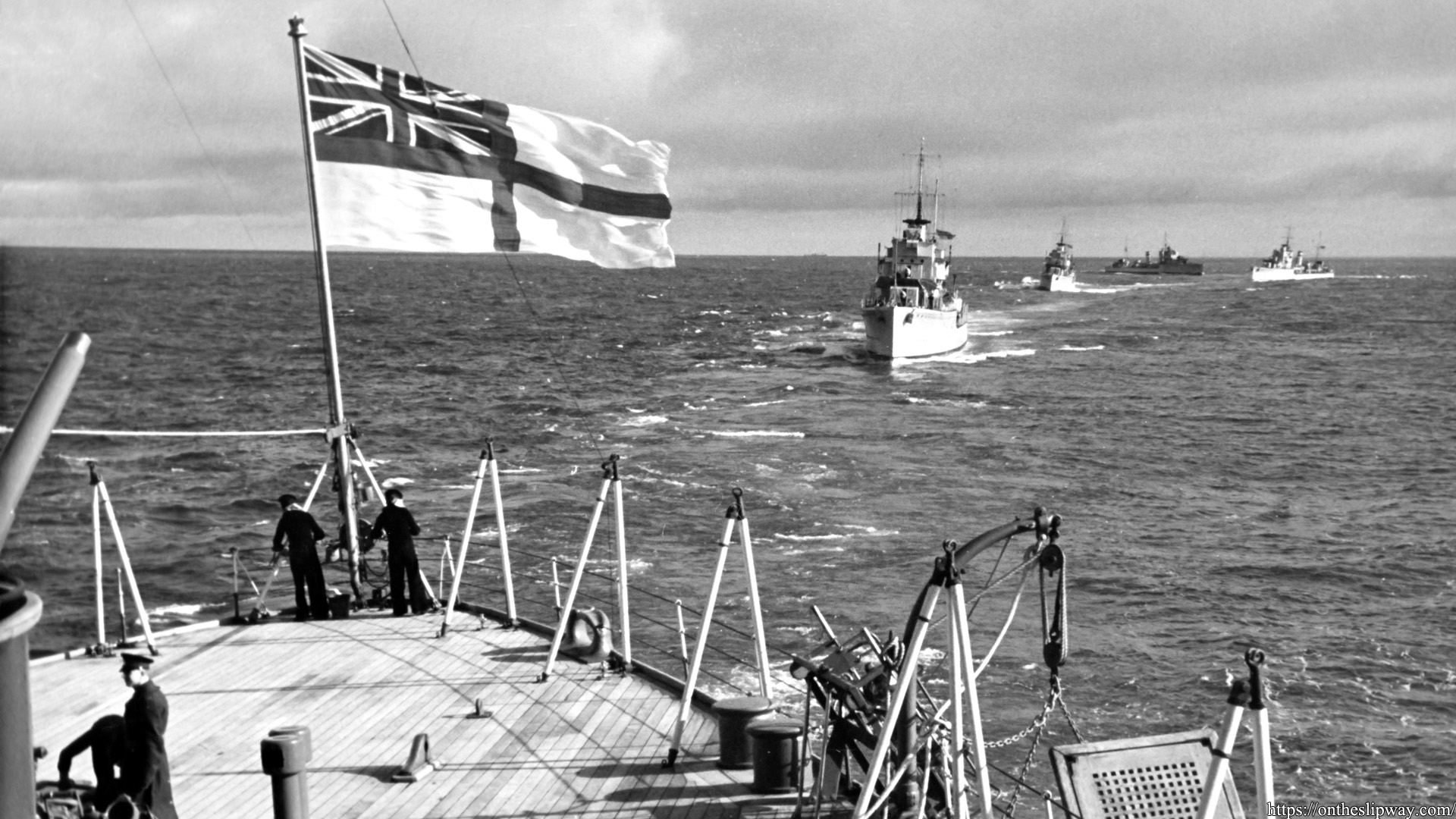
Led by H.M.S. Exmouth and the destroyers Electra, Escort. Express and Esk, H.M.S. Nelson and Rodeny steaming up the tagus.
I graciously borrowed a few excerpts from https://angloportuguesenews.pt but the links are no longer funcion.
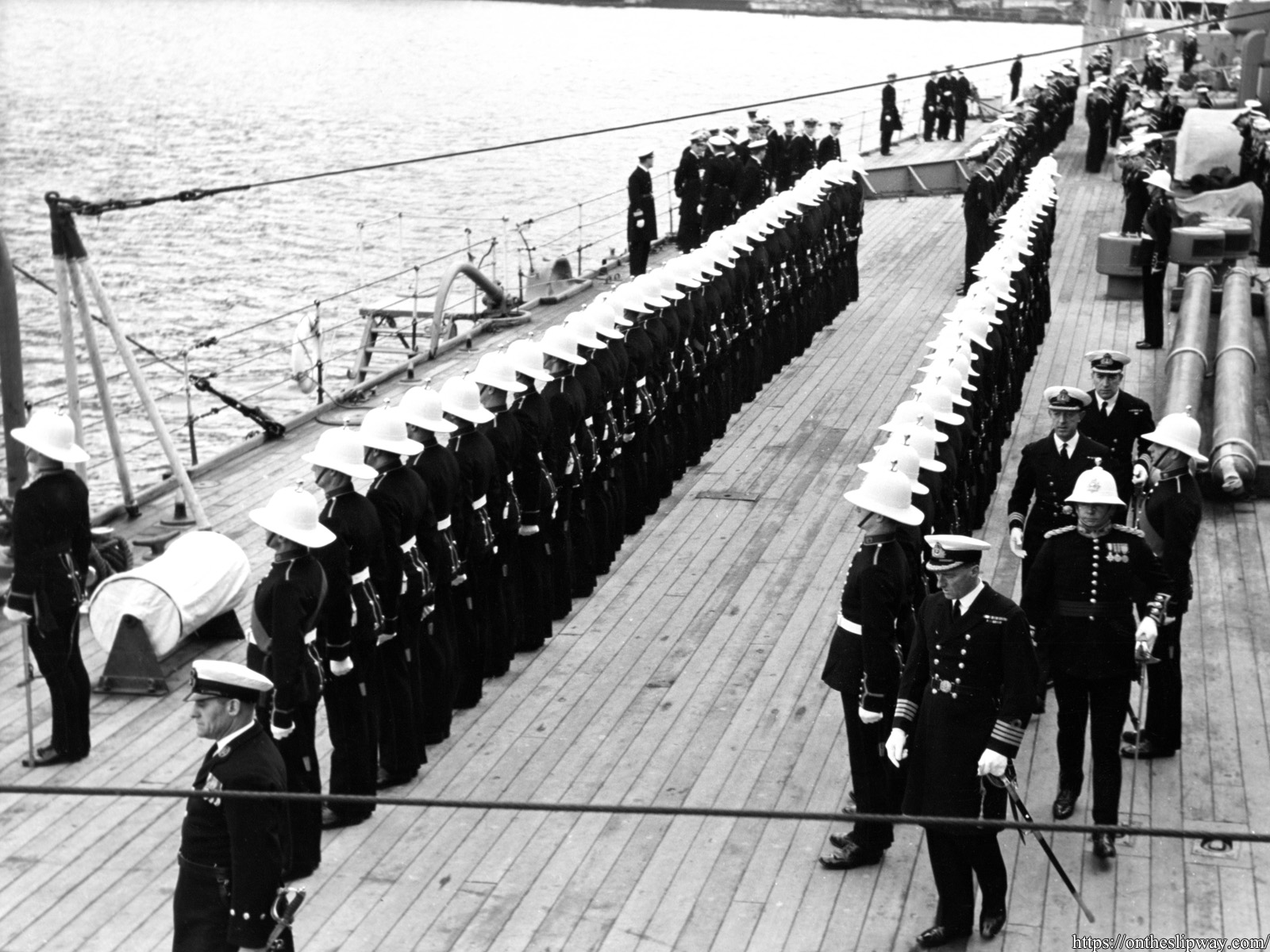
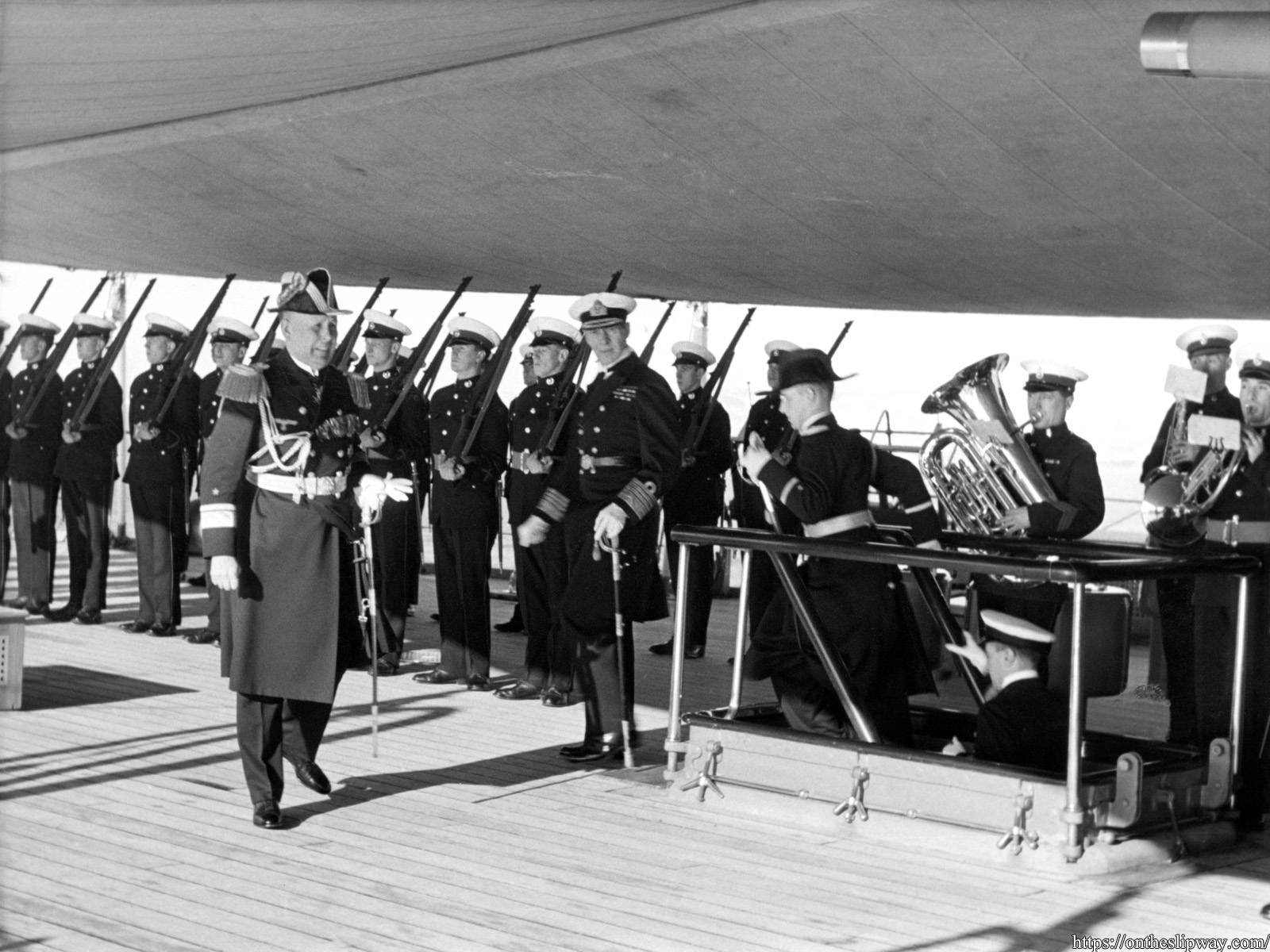
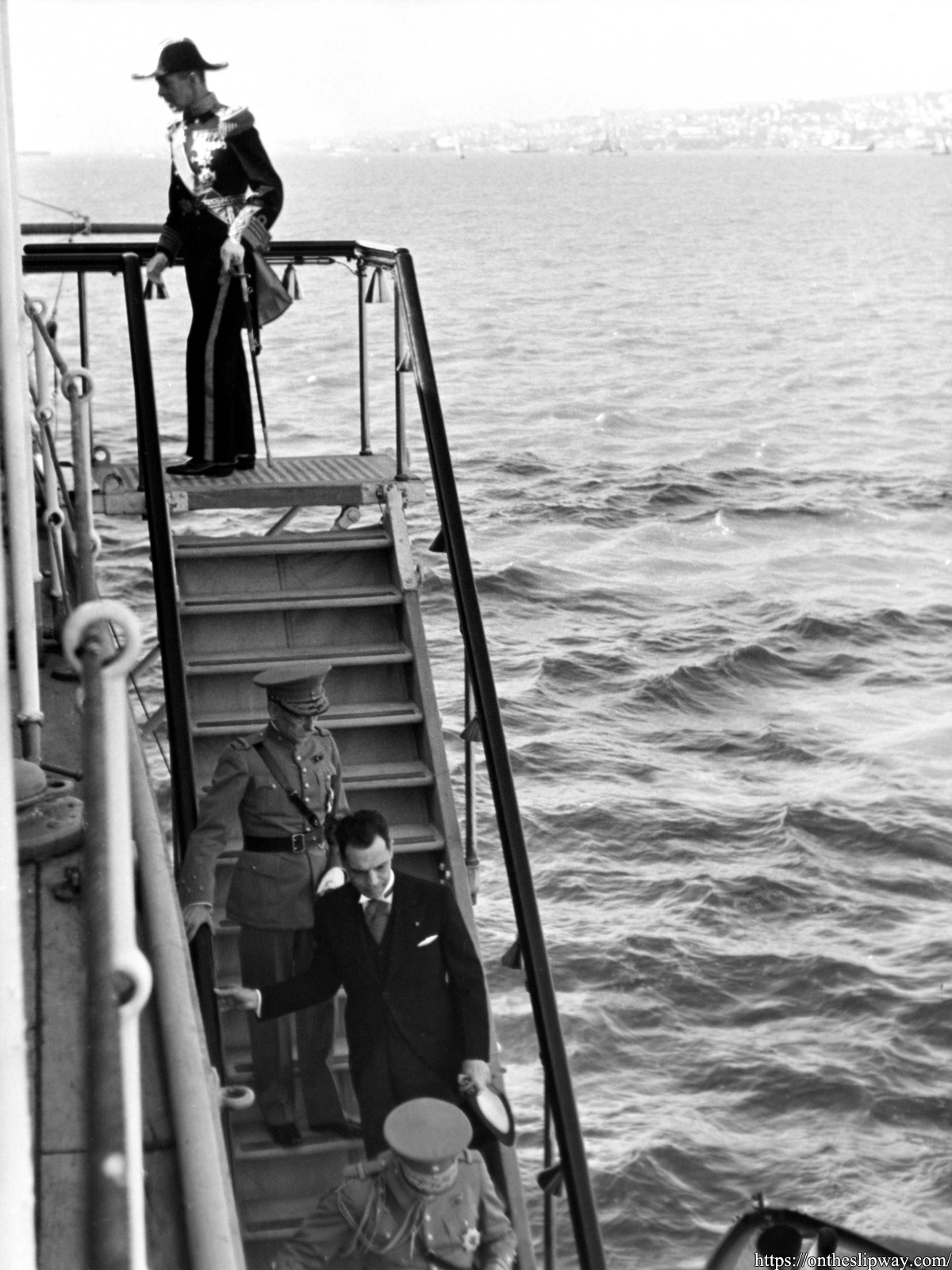
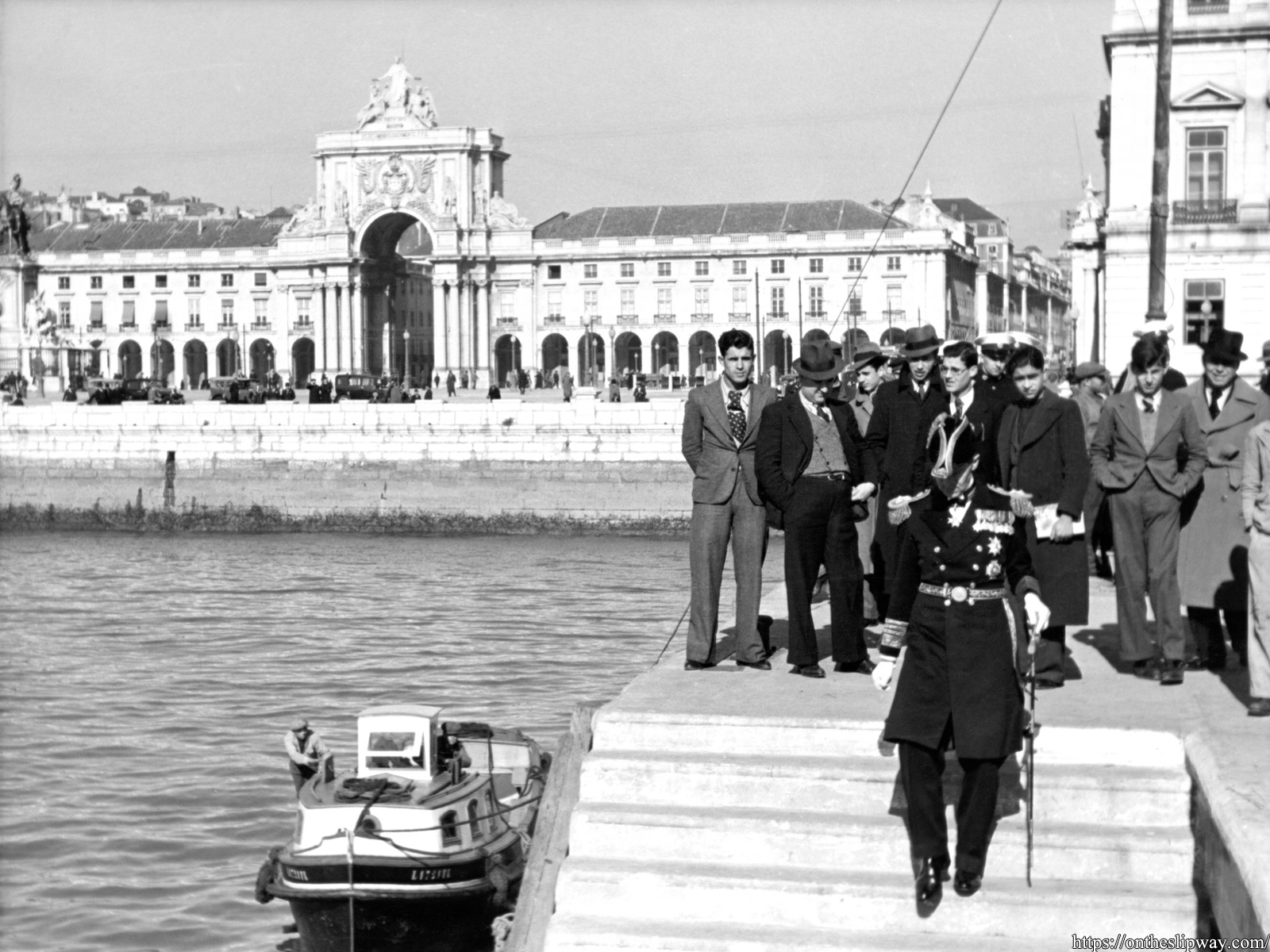
Shortly after 4 p.m . on February 1 the citizens oE Lisbon, crowding in their thousands the various vantage points of the city, watched the entry into their lovely harbour of the largest number of British naval vessels to enter since the ‘visit in 1931 of H.M.S. \\’arspite, Malaya and some founcen other craft. Led by H.M.S. Exmouth and the destroyers Electra, Escort. Express and Esk, H.M.S. Nelson. flagship of Sir Roger Backhouse, Commander-in-Chief oE the Home Fleet, and H.M.S. Rodney steamed majestically upstream to anchor in the naval anchorage. As Nelson, a vast mass of 33,500 tons and her sister ship passed Belem, Nelson’s guns boomed forth in a salute oE 21 guns to her ancient Ally and country of visit, Portugal. Portuguese land and seaplanes swooped in welcome and the Portuguese Flagship saluted the British Admiral with 17 guns, to which Nelson answered with a similar number. Admiral Sir Rog er Backhouse had already informed Portugal by radio from the Bay of Biscay of the great pleasure of himself and his offecers and men at the visit to this country, linked for so many centuries by a common love of the sea and an inalienable friendship and alliance t.) Britain. He again expressed this pleasure: on arrival, and to this pleasure as added that of the receipt of a «signal from Eng land shortly after arrival that H.M. The: King had approved the appointment of Admiral Sir Reger Backhouse to be First Sea Lord in succession to Admira lof the Fleet Lord Chatfield, to date from September 1938. A full programme of functions was arranged for the visit. On arrival of the: Fleet the: British Naval Attaché, H.B. M’s Consul . ~ho was received with 7 guns, and Commander Brion of the Portuguese Navy went on board Nelson . Followed many official calls by high Portuguese Naval Officers. That night the Admiral called on His Majesty’s Ambassador and with his Captains and Chief of Staff remained to dinner with Sir Walford and Lady Selby. On Wednesday, February 2, The Admiral paid official calls and in this afternoon H .E. The President of the Republic, General Carmona, gave an audience at Belem Palace to the Admiral, who was presented by H.B. M’s Ambassador. That day the Admiral gave a luncheon on board Nelson. At 6 p.m. on the same day there Was a reception at the British Embassy for the Admiral and 50 officers which about 300 guests, Portuguese and British attended. Later some 96 members and their friends entertained the Admiral and certain officers at dinner at the Royal British Club. H. E. The British Ambassador Presided.
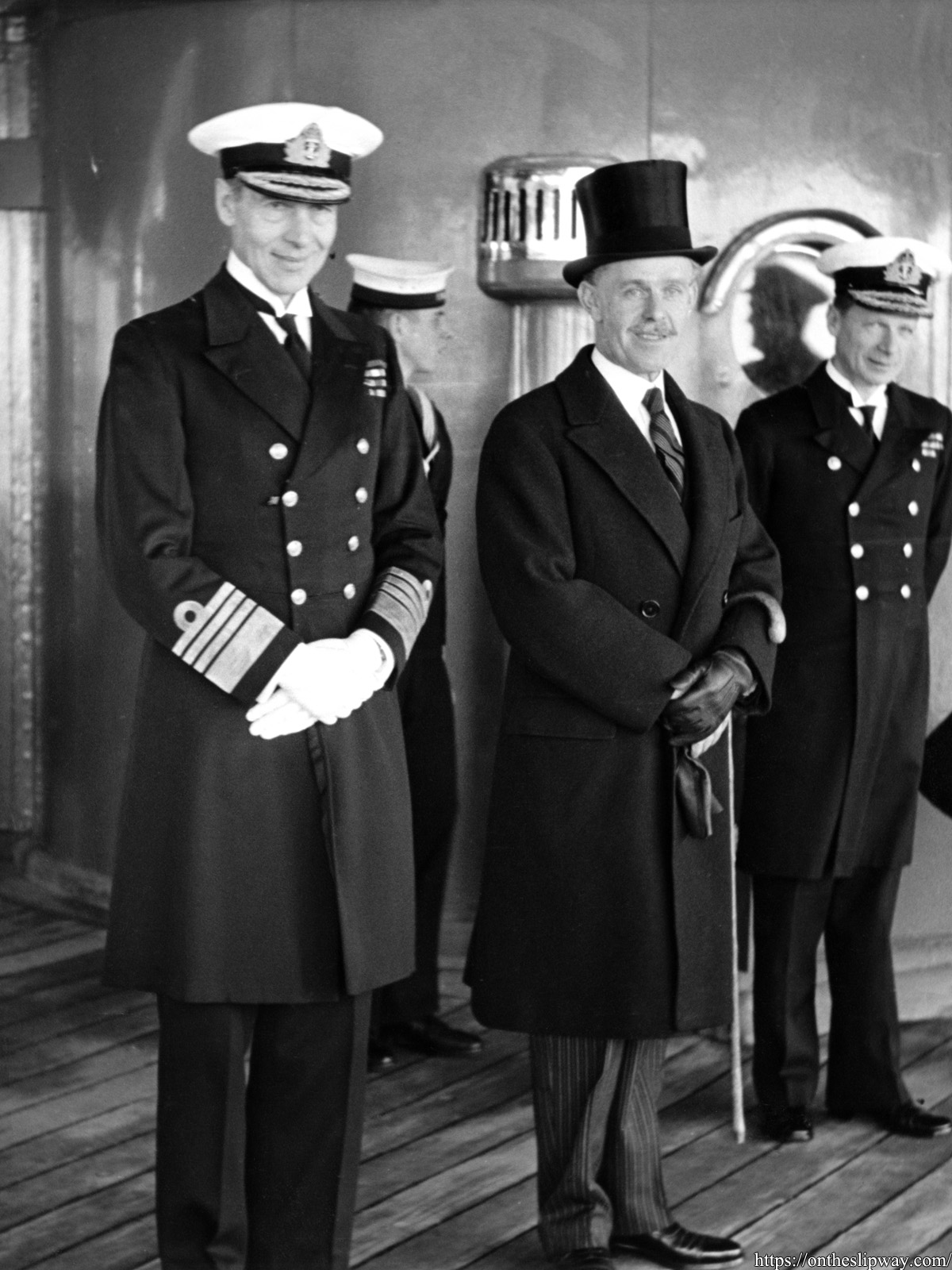
Admiral Backhouse and Ambassador to Portual (1937-1940), sir Walford Selby
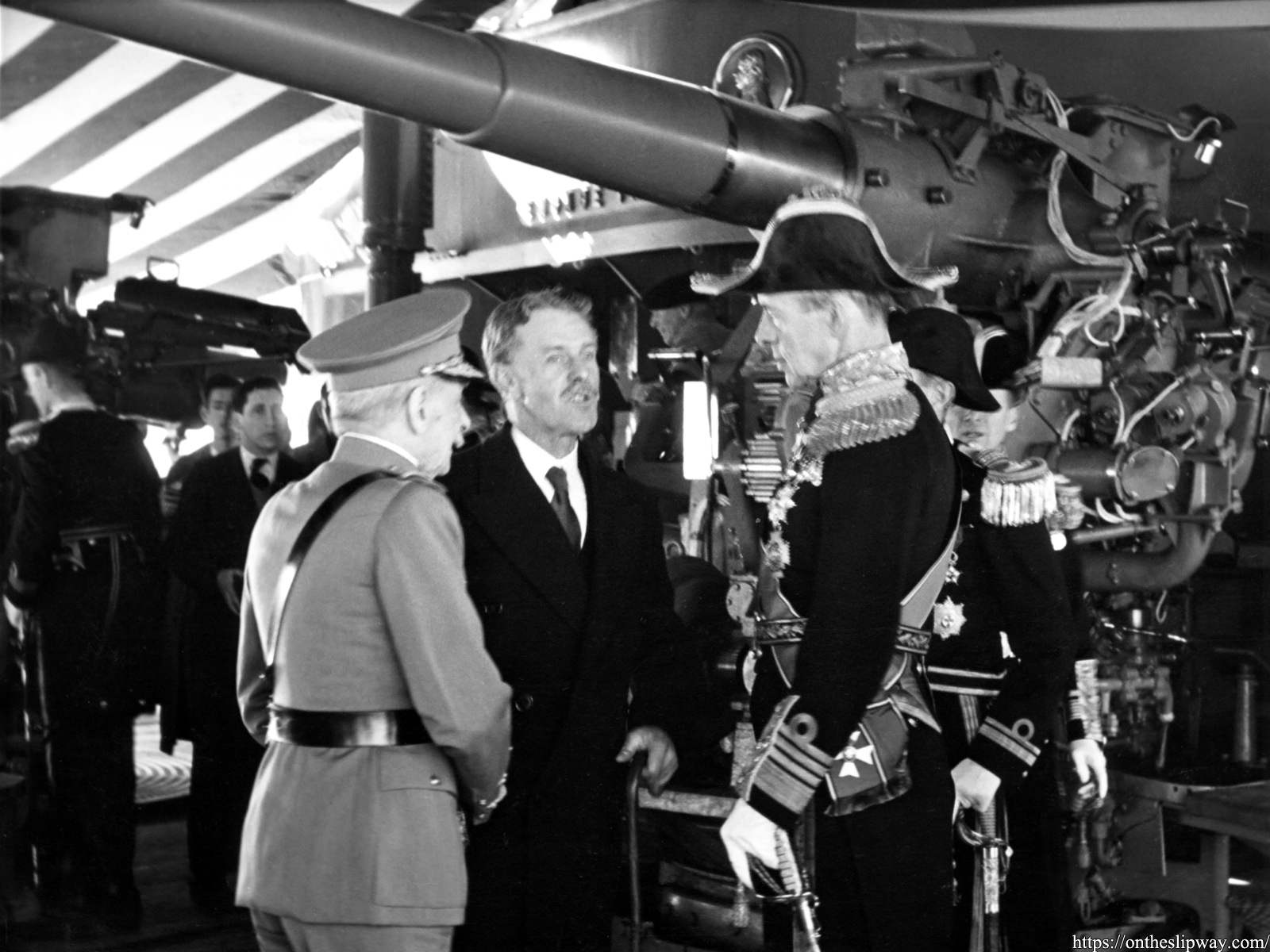
Admiral Backhouse, sir Walford Selby and President of Portugal Óscar Carmona

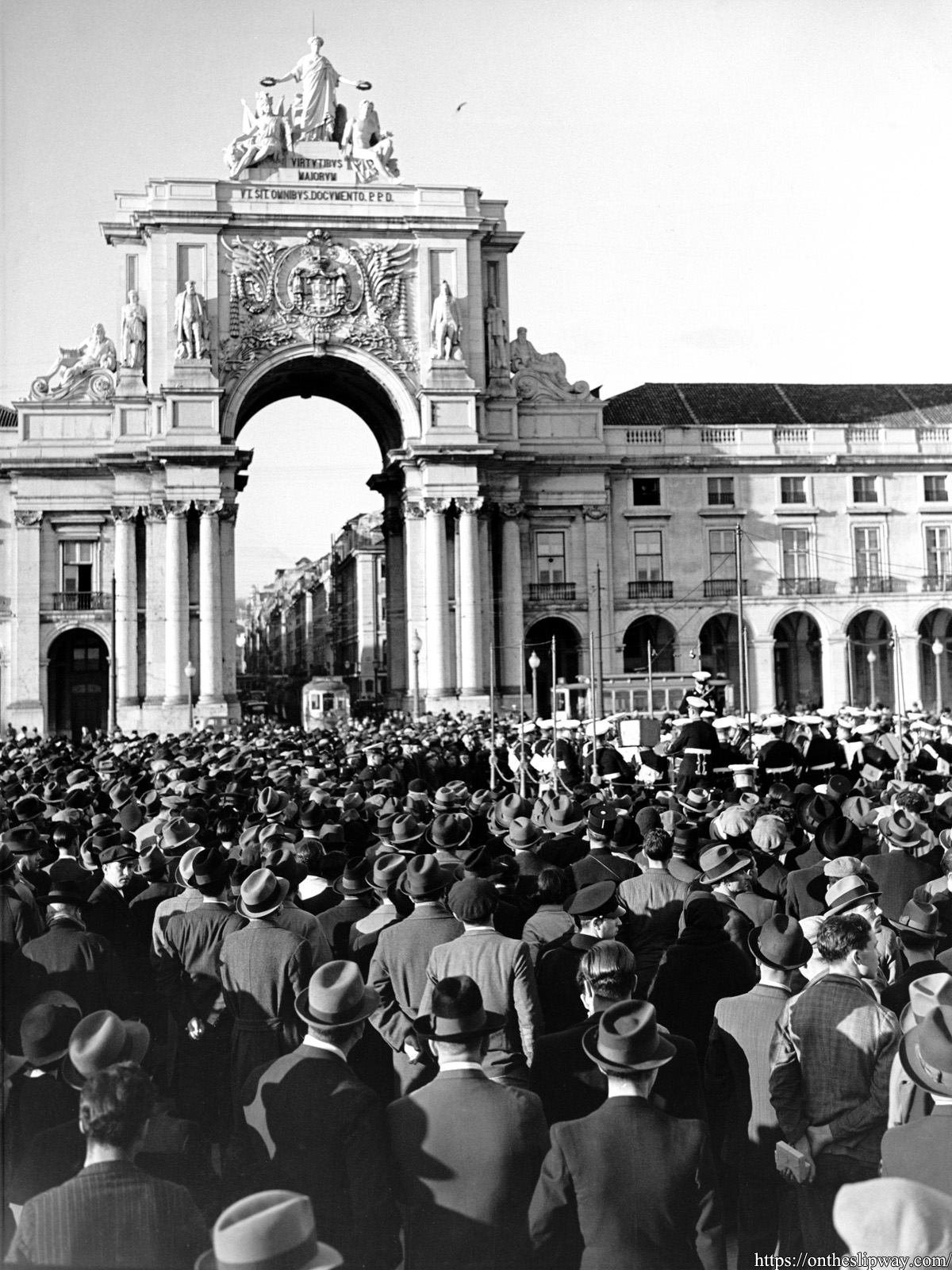
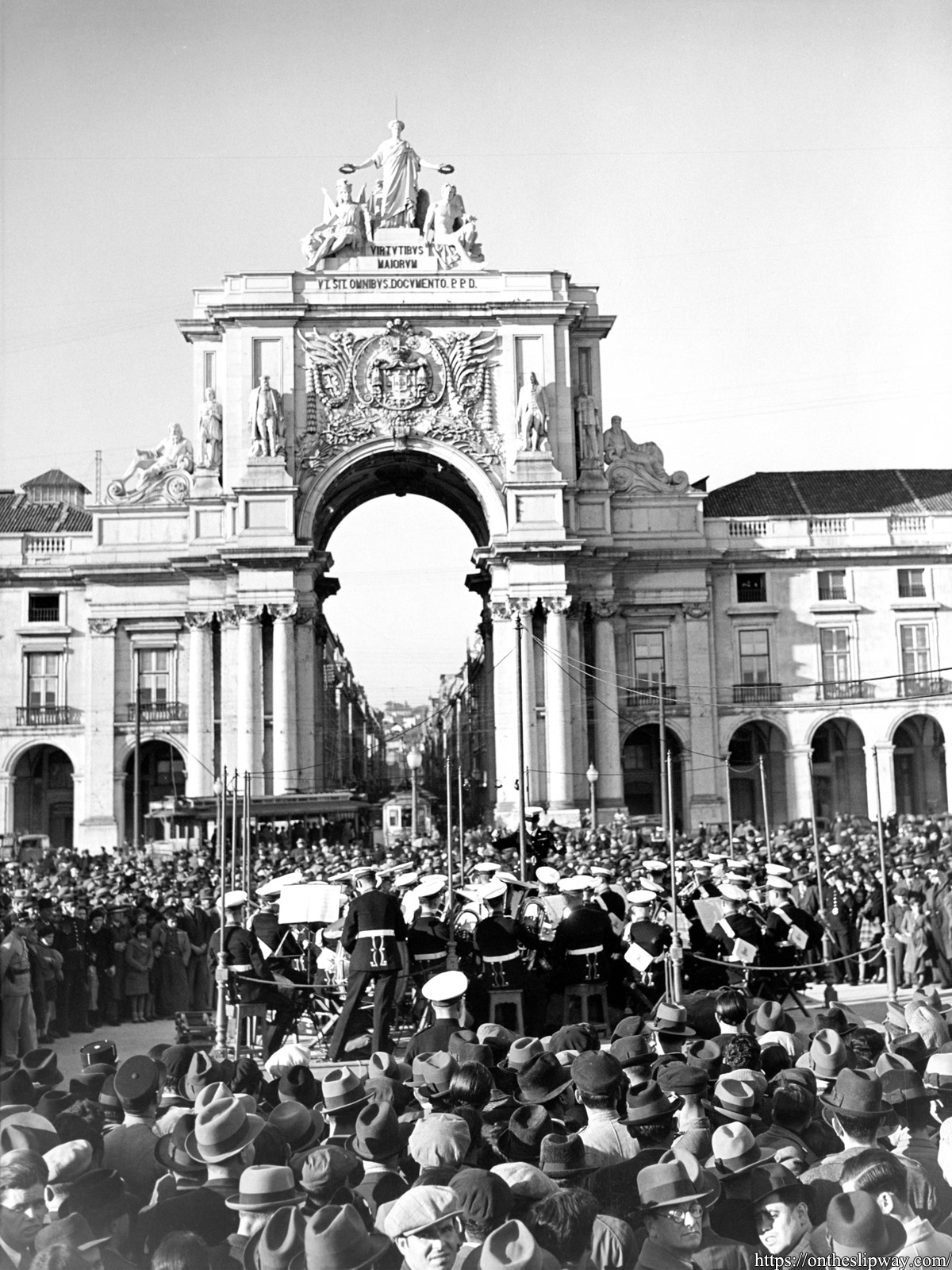
At 10 a.m. on Thursday February 4, before an enormous crowd of the citizens of Lisbon, Admiral Sir Roger Backhouse paid the Home Fleet’s homage to Portugal’s fallen in the Great War. The Royal Marine band of H. M . S. Nelson, in their full dress of scarlet and with white topees, a company of British bluejackets, a company, with colour, of Portuguese bluejackets, a company, with colour, of Portuguese regular _Infantry, and, behind, a detachment of the Portuguese Legion, in their khaki and green, were paraded before the War Memorial in Lisbon. A large wreath of red camelias, white camelias and violets, with a card attached by a cap ribbon of H . M. S. Nelson, was carried by two Leading Able Seamen of the Fleet and laid at the foot of the Memorial by Sir Roger Backhouse. On the card was inscribed in Portuguese «To the illustrious Portuguese fallen from the Commander-in-Chief, Officers and Men of the Home Fleet». The parade saluted, the National

Probably the largest crowd ever assembled in Lisbon at this comparatively early hour watched this impressive ceremony of British sailors paying homage to the fallen of their ancient ally. Reiterated and prolonged shouts of «Viva Inglaterra! Viva Portugal! » greeted the termination of the ceremony. Crowds thronged th e streets through which the detachment of the Home Fleet marched on its return to the quay. Throughout its passage through the city the detachment was hailed with cheers, vivas and hand clapping . H . B. M ‘s Ambassador, after receiving the last official call paid by the Commander-in-Chief, accompanied the Admiral to the quay . At 3 p.rn., to salute and counter salute, with aerial farewell from the Portuguese Air Forces, the Fleet sailed for Gibraltar to continue the spring cruise. The Fleet cannot have failed to ta ke with it memories of the warmest welcome, and many additional proofs of friendship, both public and private. extended by Portugal. And Portugal for her part will long remember the goodwill visit, the hospitality, and the charm which somehow all sailors seem instinctively to possess.
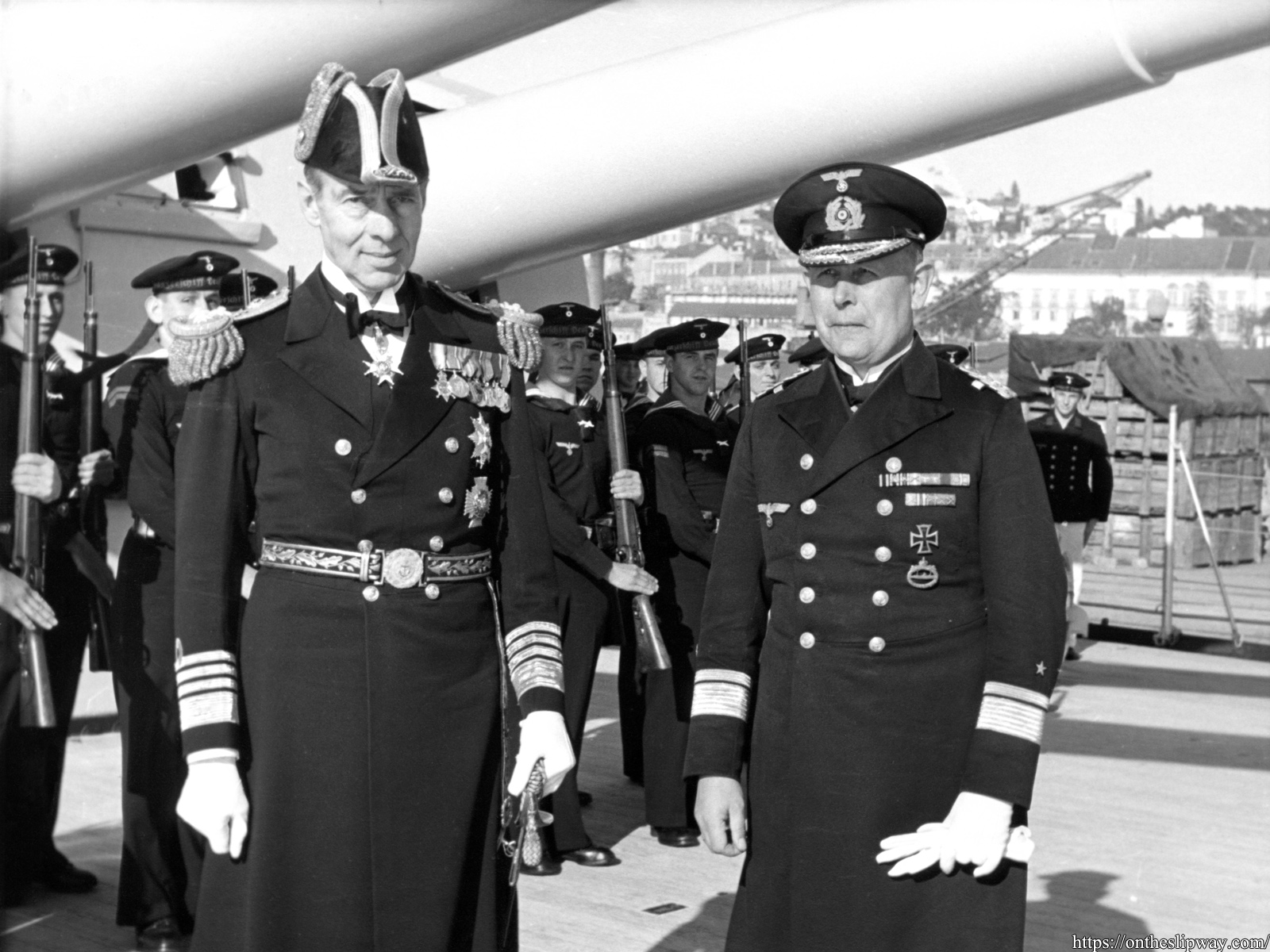
A cordial visit of Admiral Backhouse to the german pocket battleship Deutschland, here with Admiral Marschall

So in this post a small dan buoy was found stored to the ceiling on the boat deck; I decided to add a few for colour and for fun.
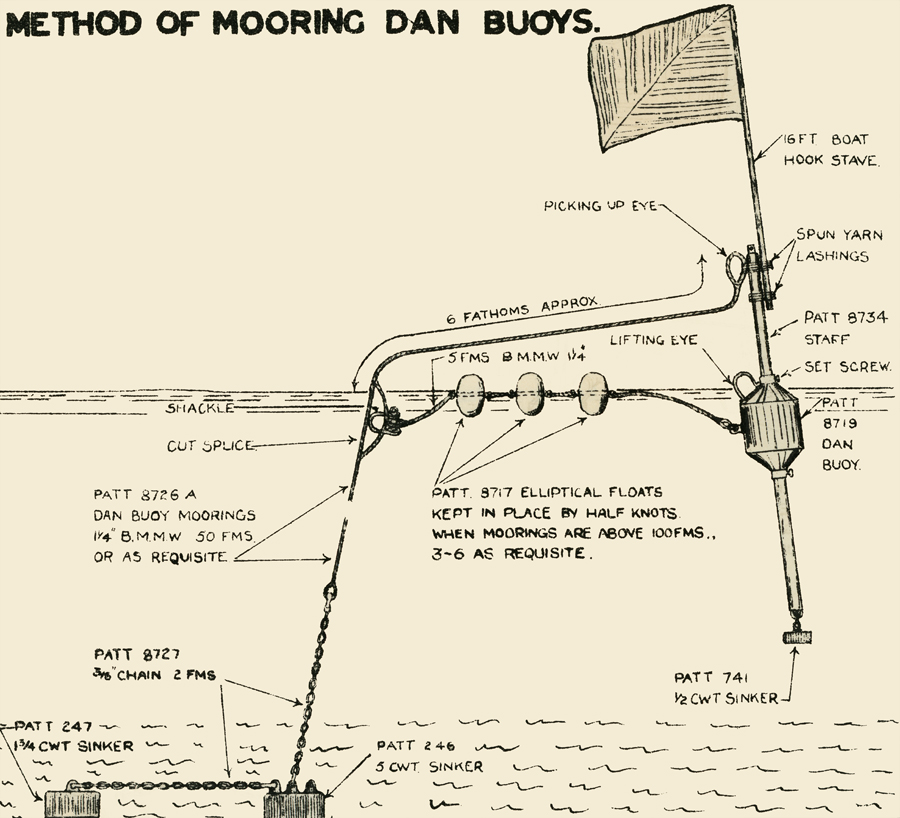
The buoy is fairly standard equipment as found the manual of seamanship, vol II (though not to scale).
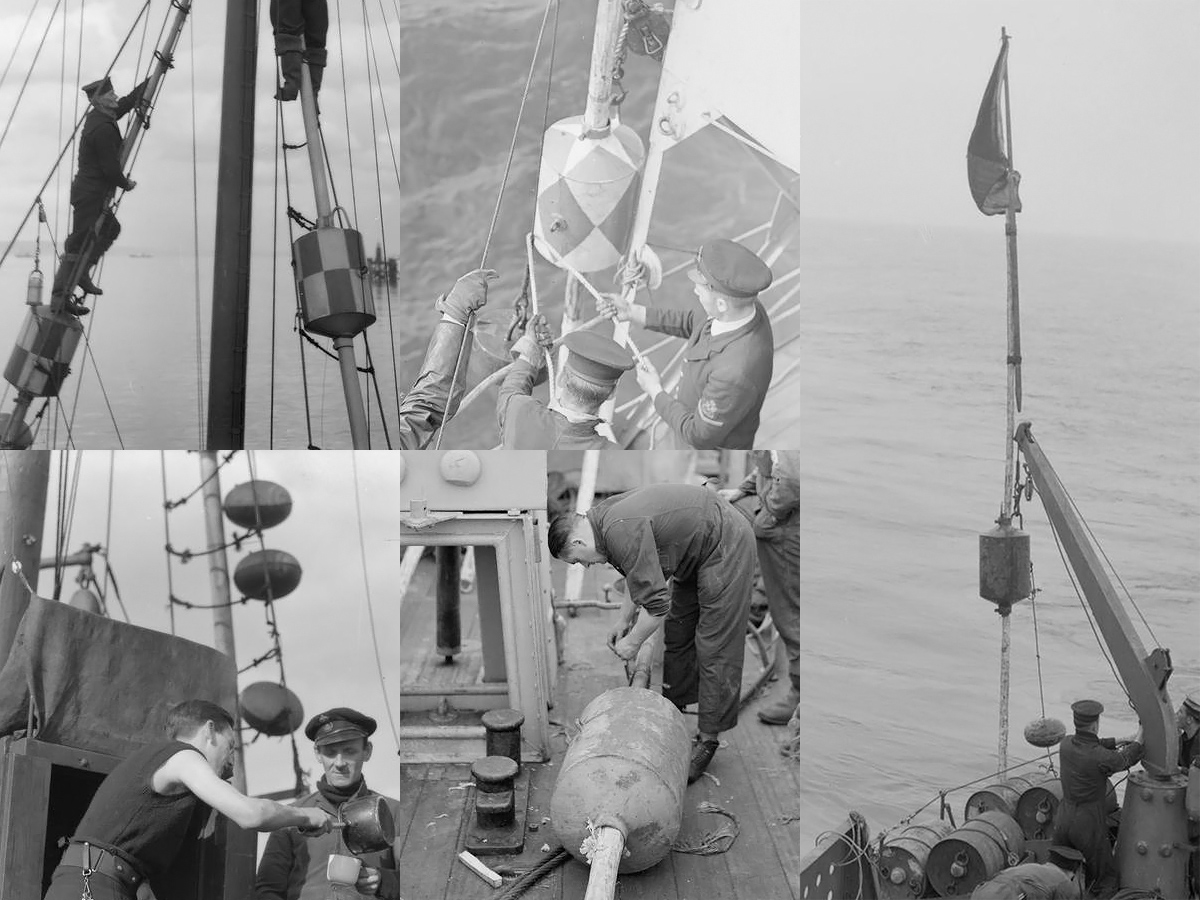
There are many pictures of the buoys aboard sweepers or so-called danlayers. At left (IWM images A 7915/7916) two dans are shows stored in the mast of HMS Rockall showing both the buoy and elliptical floaters; the entire buoy is quite large. There is a drawing in the Anatomy of the Ship Agassiz showing the buoy at an 18ft diameter with a 16 ft staff. Various creative paint scheme’s appear to have been applied and I expect the colours to be bright and vivid; usually each ship appears to have its own unique(ish) colour scheme for tracking and pickup . Perhaps the danlayers who carry many dozens have a collection of paint schemes but I haven’t found a good picture yet.
This image shows a few more buoys, but post WW-II showing a slightly different type of buoy but a similar range of patterns.
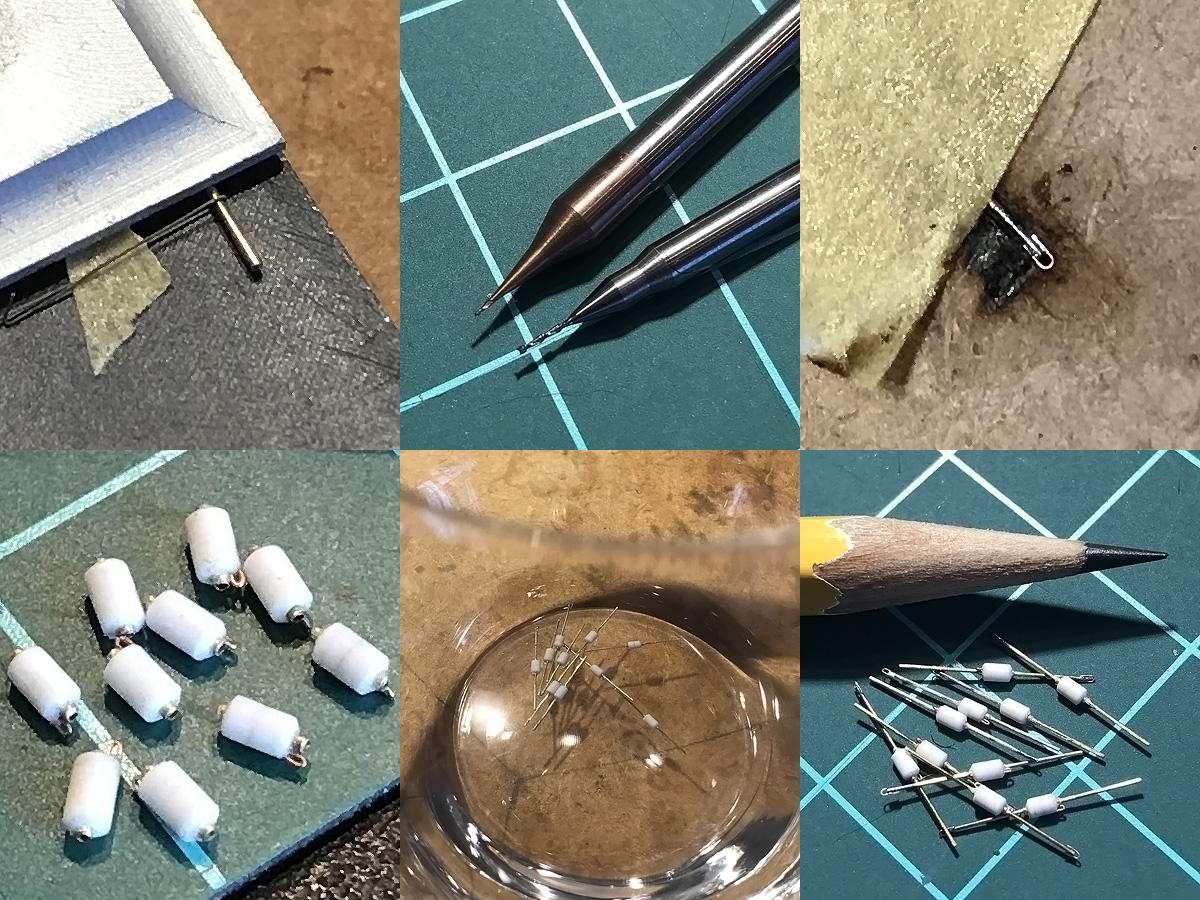
Although I see only one buoy aboard Hood I decided to build around ten. The staff was the most tricky part with a small eye to attach the sinker at the end. I made a small soldering jig and bent a 0.1mm wire around some 0.3 rod using the Hold&Fold, then trimmed to size with the chopper. I ordered a few milling bits for my new Proxxon MF70, amongst others a 0.5mm bit and a 0.3mm round bit, and milled a small 0.5mm channel in MDF with a small 0.3mm trench. This made it a bit easier to align the small eye that was then soldered very carefully (i.e., re-soldered until looking fine). The buoys themselves were made on the lathe, it was far easier to first add a chamfer to the end of half a buoy part and then joining both halves on some Albion Allows 0.5mm tube, rather than adding a chamfer to both ends of a single part. The milling machine was again used to drill in the lifting eye near the tube ( that cost me about 5 drills because I was impatient); the lifting eye is now relatively sturdy and well aligned. I threw the buoys in alcohol to remove the flux after soldering and alas; the buoys do not float… At bottom right the buoys are ready for priming.
Copyright © 2026 On The Slipway
Theme by Anders Noren — Up ↑